

Executive Team
President

-
Angela Nguyen is a junior pursuing a bachelor’s in computer science. She is passionate about PIT by combining technology, ethics, and diversity because of her background as a woman, Southeast Asian, and first-generation/low-income student. She is the president of Stanford PIT Lab and serves as the student assistant of McCoy Family Center for Ethics in Society's Ethics, Society, and Technology Initiatives. This past summer, she worked on responsible AI and emerging technology projects at Avanade as a Digital Ethics & Advisory Intern through the Stanford Tech Ethics & Policy Fellowship. In her spare time, Angela enjoys singing with Stanford Everyday People A Cappella, baking, and going to concerts.
Vice President of
Public Relations

-
Joy Kim (‘26) is a senior studying philosophy and minoring in creative writing, with plans to pursue a master’s in applied ethics. She is interested in understanding how we can implement ethical guardrails in military technology affairs, as well as how AI is currently impacting humanities learning. As PIT’s vice president this term, she is super excited to engage the campus community in thinking more about these issues! Outside of PIT, she loves reading, teaching, and hunting for new places to eat.
Vice President of Operations

-
Akshay is a junior from Chicago, Illinois, studying Symbolic Systems and Public Policy. He is extremely interested in technology regulation and building technology for the public interest. Akshay is passionate about fostering innovation while maintaining user safety. His experience on the Youth Advisory Board for Inner Peak AI, a wellness AI startup that makes mental health care more accessible, and as the Project Manager for Stanford Healthcare Consulting Group’s AI Clinical Deterioration Project, where he worked to optimize hospital operations and notify doctors of patients who need immediate care using AI, helped him realize the positive impact AI can have. At the same time, he recognizes the harm AI technologies, like deepfakes and AI-generated imagery, can cause by manipulating the truth. Akshay hopes to explore the nature of emerging technologies. He wants to better understand how to increase and utilize their benefits while mitigating risks and ensuring their responsible use. Outside of class, you can find Akshay trying out new recipes and curating Spotify playlists. He is also an avid coffee enthusiast!
Core Team
Communications
-
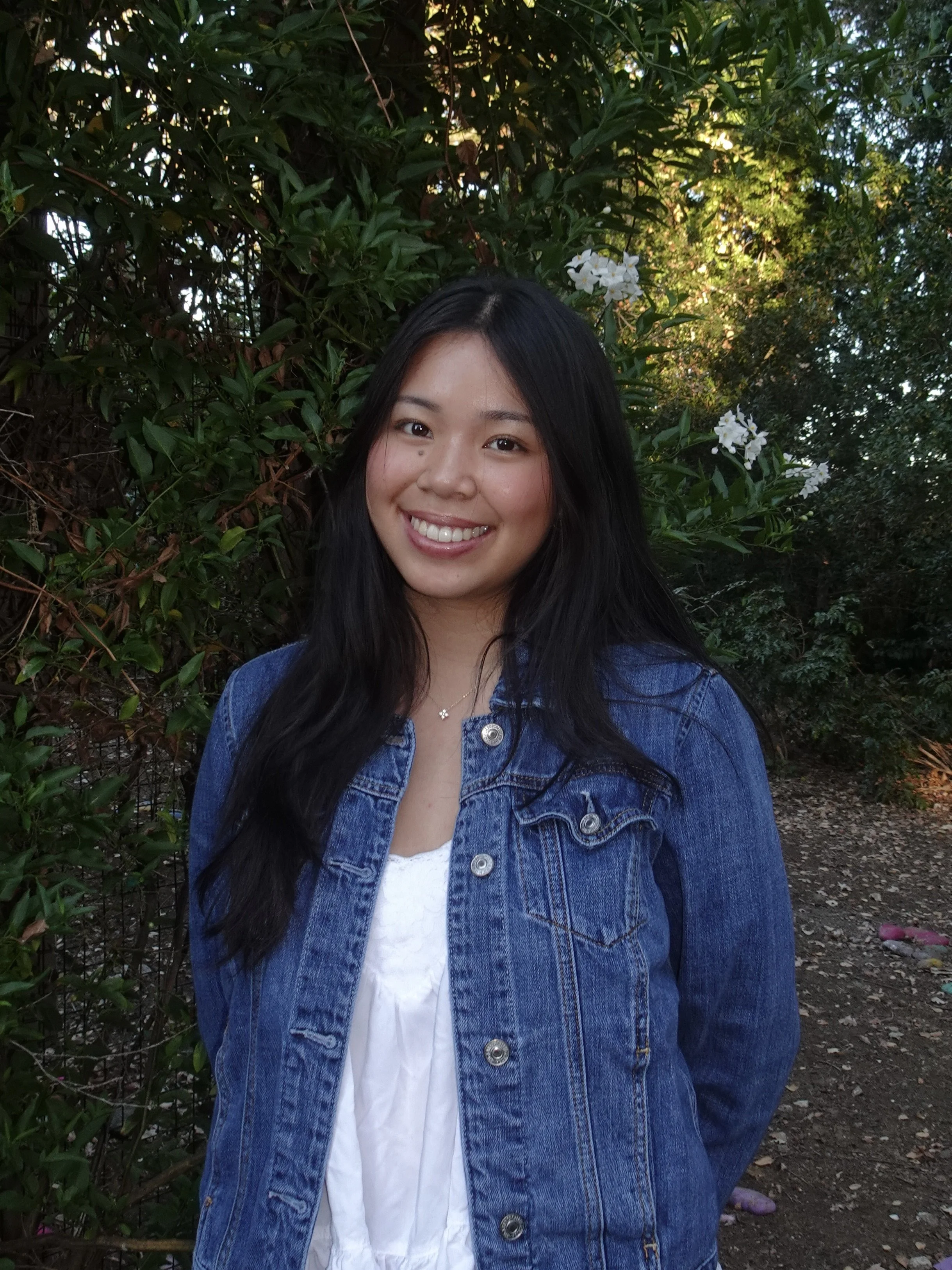
Hannah Zingapan is a sophomore studying Symbolic Systems and Psychology. She believes the best and fastest way to create positive social change at scale is through public-serving institutions, and she’s interested in using human-centered design to build civic tech that helps nonprofits and government serve their communities. She’s also curious about how design shapes user trust in AI. This past summer, at the Stanford Center on Poverty and Inequality, she helped design research tools for the American Voices Project, a large qualitative dataset of interviews about life in the United States. In her spare time, Hannah enjoys movies, the beach, and exploring new restaurants.
-
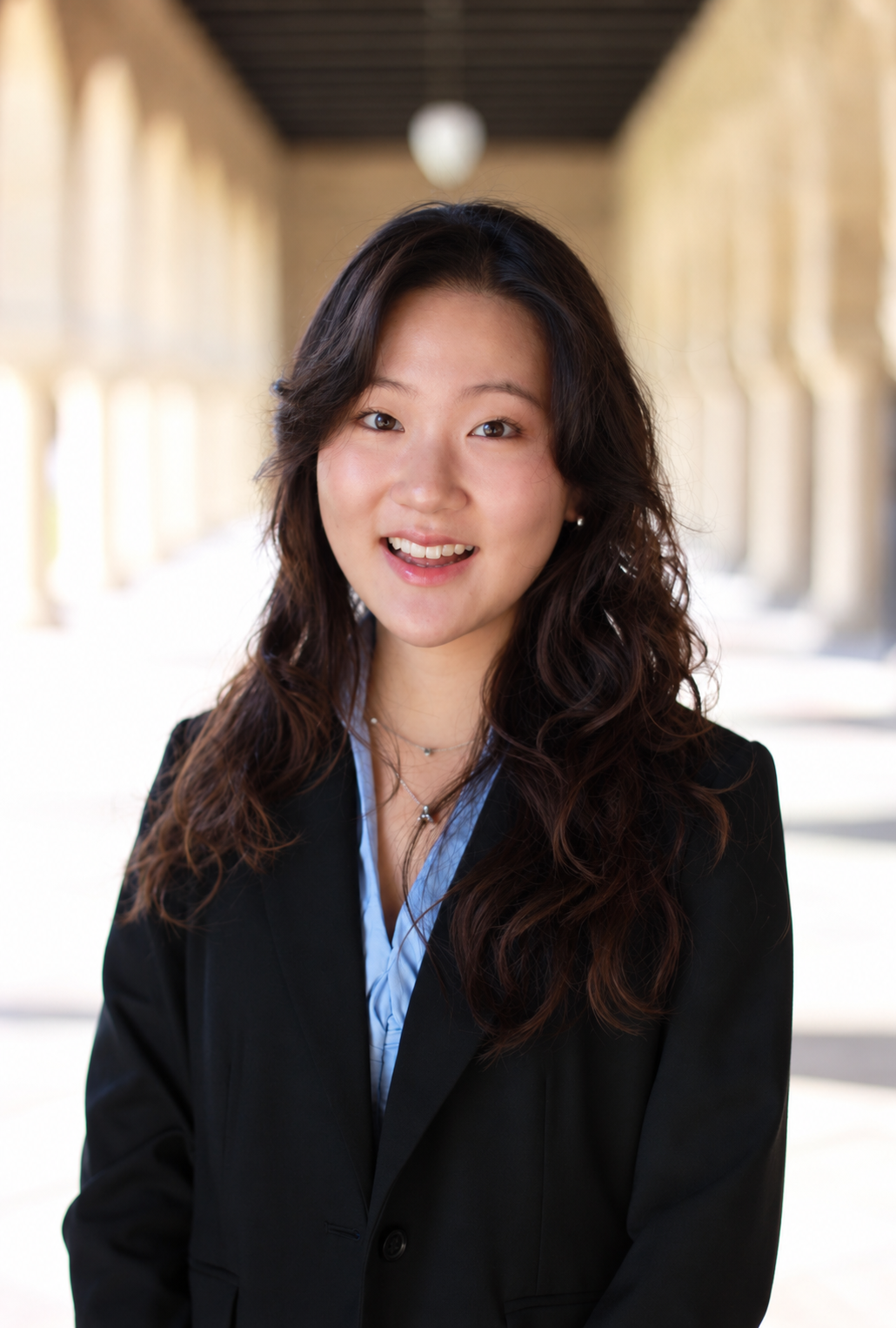
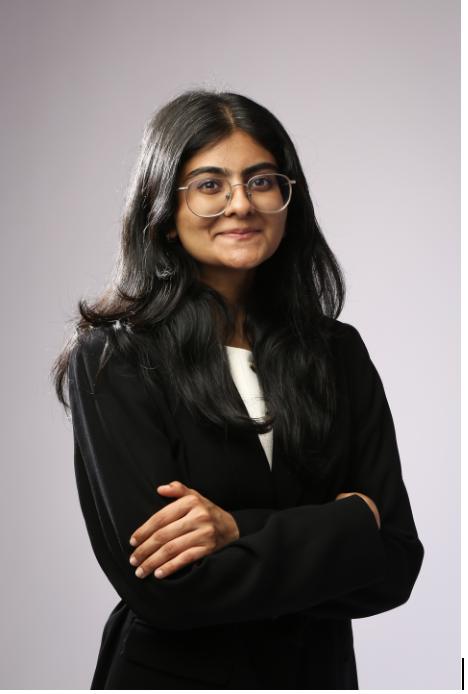
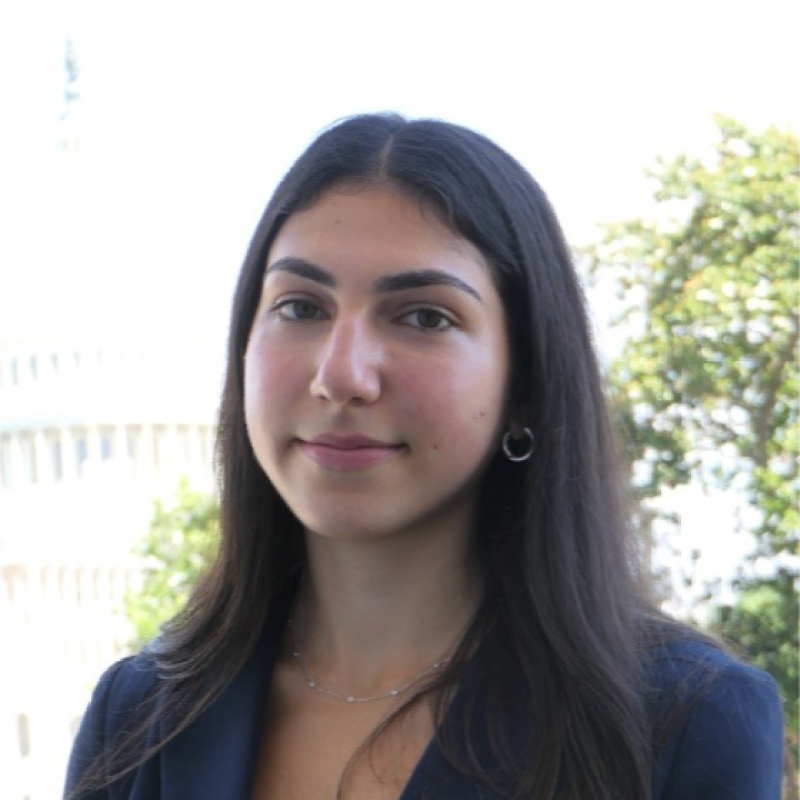
Sophene Avedissian is a sophomore majoring in political science. She is interested in exploring how technology can be leveraged to improve societal structures and address pressing social issues. Outside of PIT Lab, Sophene is involved in Stanford’s Pre-Law Society and Women in Law organizations and serves on the Executive Board of the Armenian Students Association. She also works as an undergraduate research assistant with Stanford’s Political Psychology Research Group. In her free time, she enjoys cooking, going on walks, and getting froyo with friends.
Education & Advocacy
-
Wesley Marshall is a senior who transferred from El Camino Community College in fall 2025. As a former foster youth from South Korea, he grew a passion for student advocacy, ensuring no student voices are overlooked. At Stanford, he created his own major, Engineering Design and Business Administration, and served as a core member for PIT Lab during the 25-26 year. He is interested in the intersection of engineering, education, and entrepreneurship. On the side, Wesley runs his own social media platform where he helps guide future transfer students in their application journey.
-
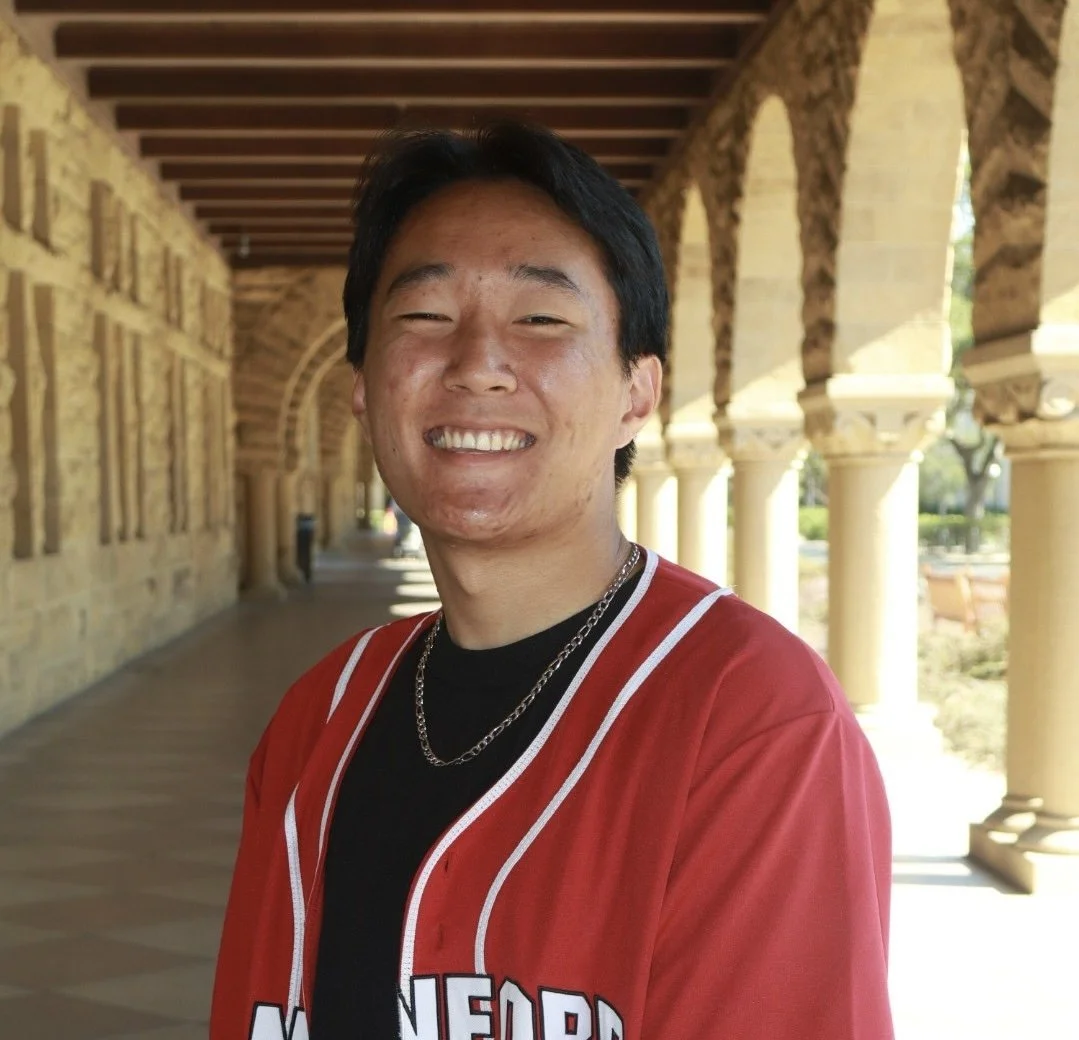
Angelina Huang is a junior from Las Vegas, Nevada, majoring in Human Biology with a concentration in behavior, human performance, and cell biology. She is passionate about the intersection of artificial intelligence, education, and data security, particularly how ethical AI can bridge educational disparities and expand access to learning opportunities. An author and entrepreneur, Angelina wrote I Want to Play College Golf, raising over $17,000 through book sales, with 100% of proceeds donated to community charities. She also founded Dentistry for Kidz, a nonprofit organization and podcast promoting oral health education for children. At Stanford, she serves as President for the Asian Pacific American Medical Student Association, Vice President of Stanford Pre-Dental, tutor for undergraduate chemistry students through the Center for Teaching and Learning (CTL), and a research assistant at the Helms Lab. Angelina hopes to leverage technology to make education more accessible, equitable, and secure. Outside of academics, she loves playing golf!
-
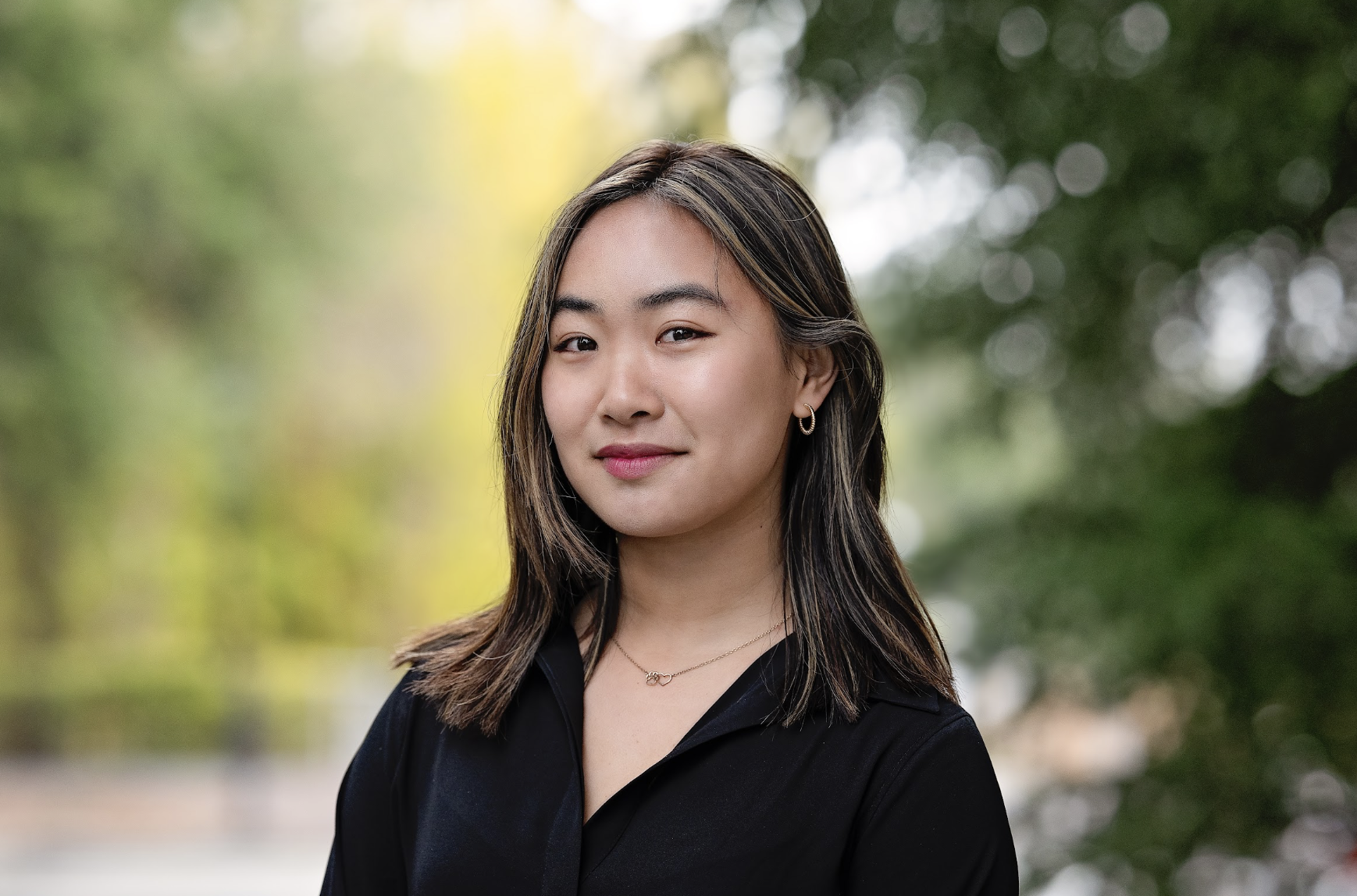
Esther Yang is a sophomore majoring in Management Science and Engineering and minoring in Computer Science. She’s interested in the intersection of technology, law, and policy, particularly digital privacy and AI for public benefit. She serves as an undergraduate editor for the Stanford Technology Law Review and a research assistant with the Politics and Social Change lab and the AI for Public Benefit Lab. Outside of academics, she enjoys riding with the Stanford Equestrian Team, baking, traveling, and watching movies with friends.
-
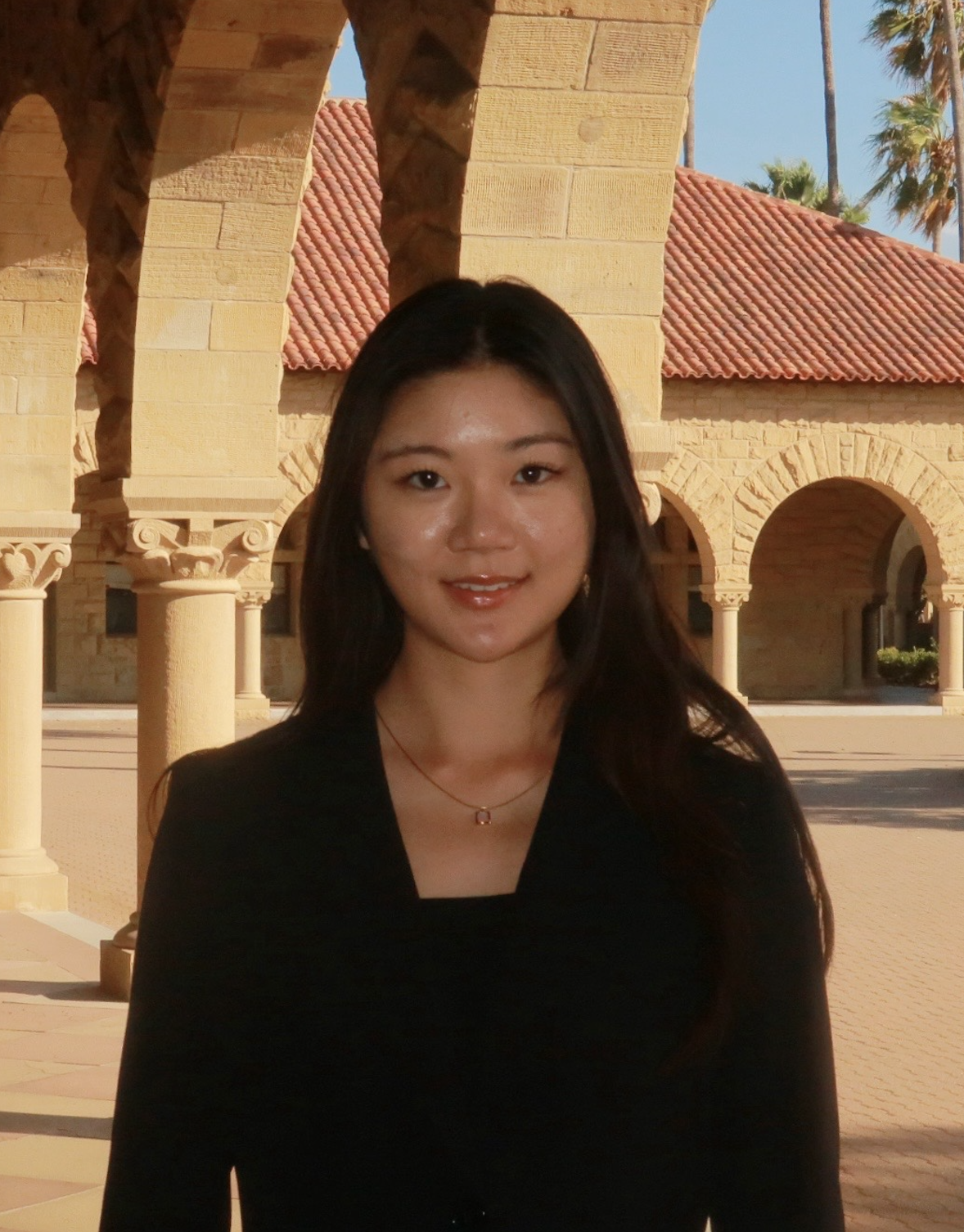
Canon Pham is a senior from Hacienda Heights in Southern California currently pursuing a bachelor’s in Data Science, minor in Human Biology, & Notation in Science Communication. She has experience working on public health and synthetic biology-related technical projects and is especially interested in bio/research ethics and how that translates into tech ethics. On the Education & Advocacy team & Data Practices subteam at the PIT Lab, she hopes to allow others to explore these issue and give them a platform to discuss the place tech might have in their communities. Otherwise, Canon is a peer advisor at the Haas Center, part of Common Origins dance team, involved in the synthetic biology community/health communities on campus, & an RA at Larkin - looking forward to chatting!
Research & Policy
-
Dylan Stephenson is a junior from Miami, Florida, pursuing a double major in Philosophy and American Studies on a pre-law track. He is interested in exploring how law and policy can keep pace with AI, a field where, as computer scientist Stephen Casper puts it, “there is no textbook, and there are no old-timers.” He is drawn to the chance to help shape something as the ground is being broken. He is especially focused on how policy and safety culture can prevent serious AI-related incidents before they happen, rather than responding after the damage is done. At Stanford, he is an editor for the Stanford Political Review’s tech and democracy column, where he works to inform and pressure-test future AI policy, and he is researching the role of AI evaluations as evidence. In his spare time, he enjoys playing football, curating his closet, and watching indie films.

-
Grace Liang is a junior pursuing a B.A. in English Literature and minoring in Digital Humanities. She is interested in exploring the intersection of technology with law, creative industries, and human rights. Grace is co-Editor-in-Chief of Caesura, Stanford’s undergraduate journal of literary studies. Grace has interned at the Cantor Arts Center, worked as a research assistant in the English department, and tutored for SLE. Recently, Grace has been researching Charles Brockden Brown’s Wieland, funded by the Chappell Lougee Scholarship. In her free time, Grace can be found annotating poetry collections.
-
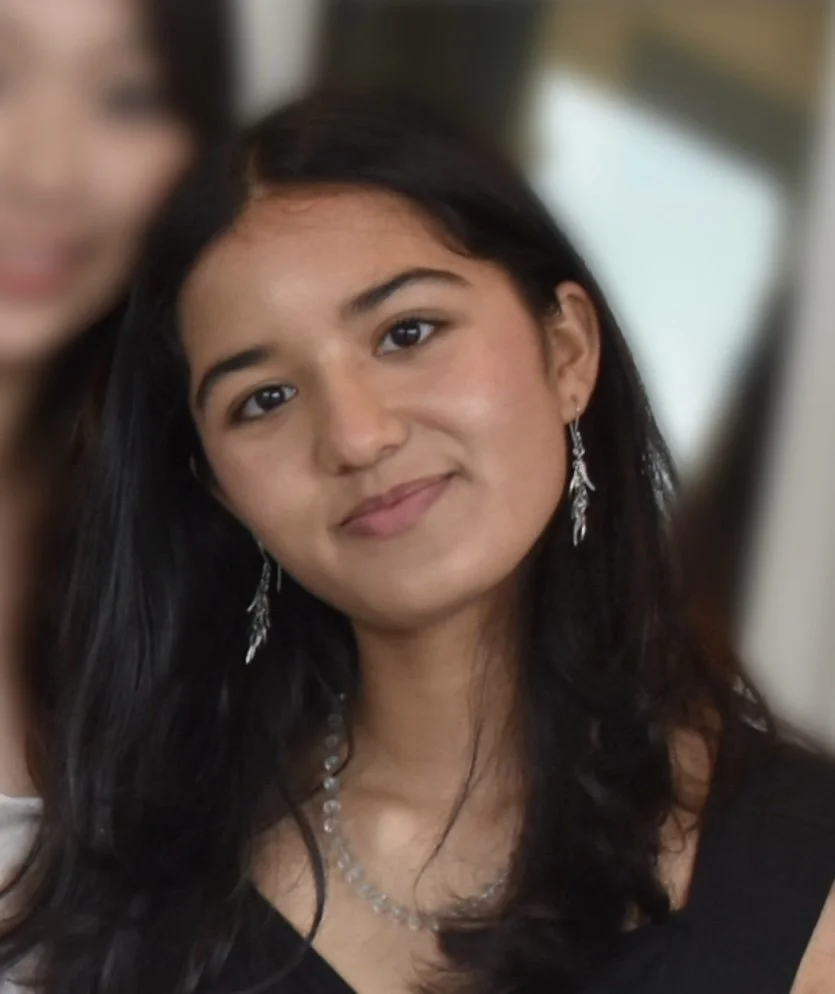
Selma Ahmed is a sophomore from the East Bay pursuing a B.S. in Design with a minor in Digital Humanities. Her interests include AI governance, technology in emerging markets across the Middle East and South Asia, and digital preservation of cultural heritage as AI risks flattening it. This past summer, she worked at Stanford’s Center for Spatial and Textual Analysis (CESTA) and completed her own fieldwork project documenting Arabic inscriptions at Islamic architectural sites across Spain. Selma loves language learning and spent a year in Rabat, Morocco on the NSLI-Y scholarship.
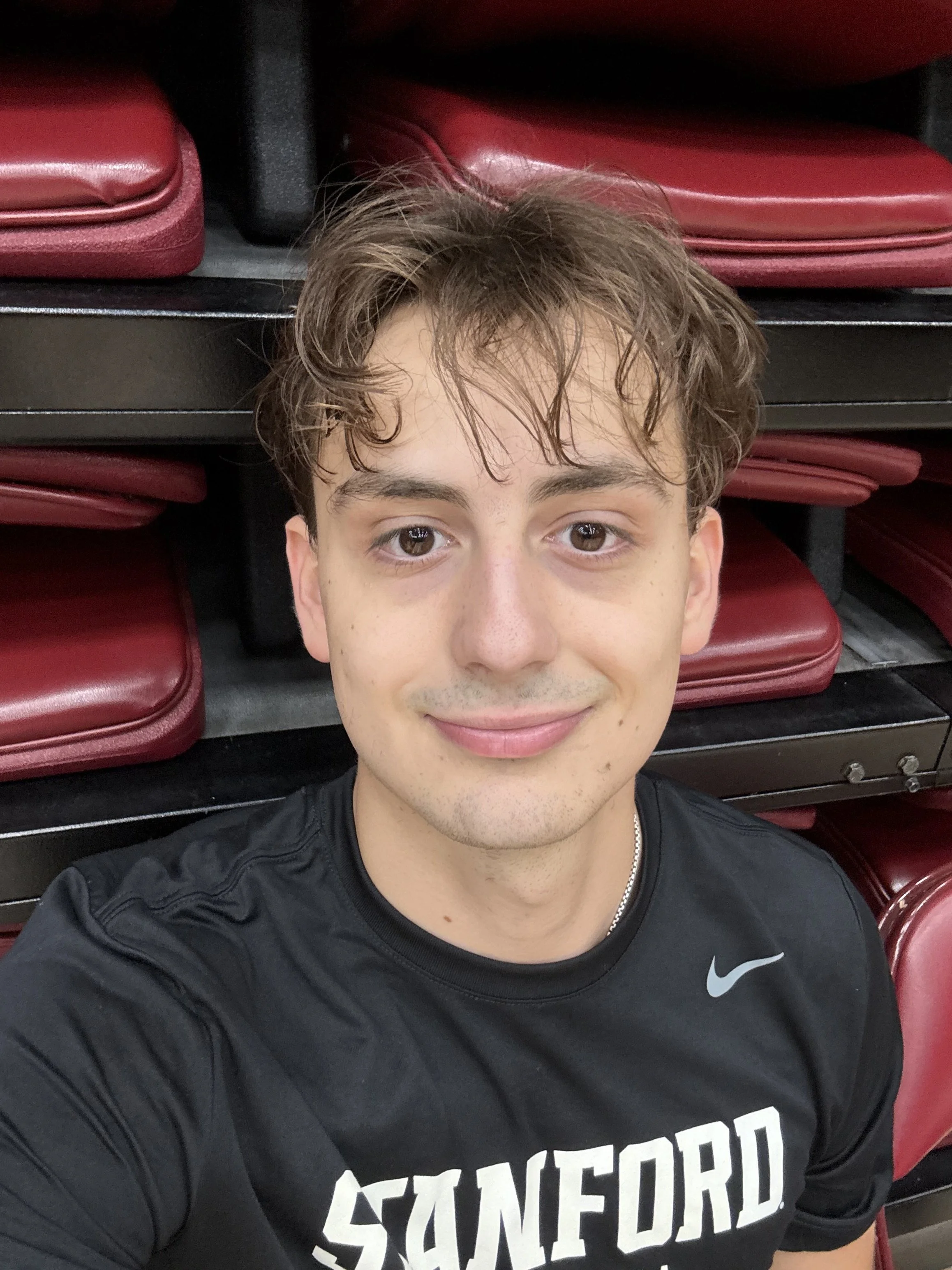
-
Kyriacos "Kyri" Vidalakis is a sophomore from Pasadena, California, double majoring in Symbolic Systems and Classics. Academically and professionally, he bridges rigorous cognitive science, classical philology, and advanced computational methods, with specialized interests in machine learning models for uninterpreted historical scripts like Minoan Linear A, artificial intelligence ethics, and the transformative application of AI within the real estate sector. Building upon his research experience spending a summer working in labs on brain-computer interfaces (BCIs), he is also deeply invested in neurotechnology ethics. Outside of his academic and technological pursuits, Kyri enjoys playing basketball, hitting the gym, and spending time with Pomeranians.
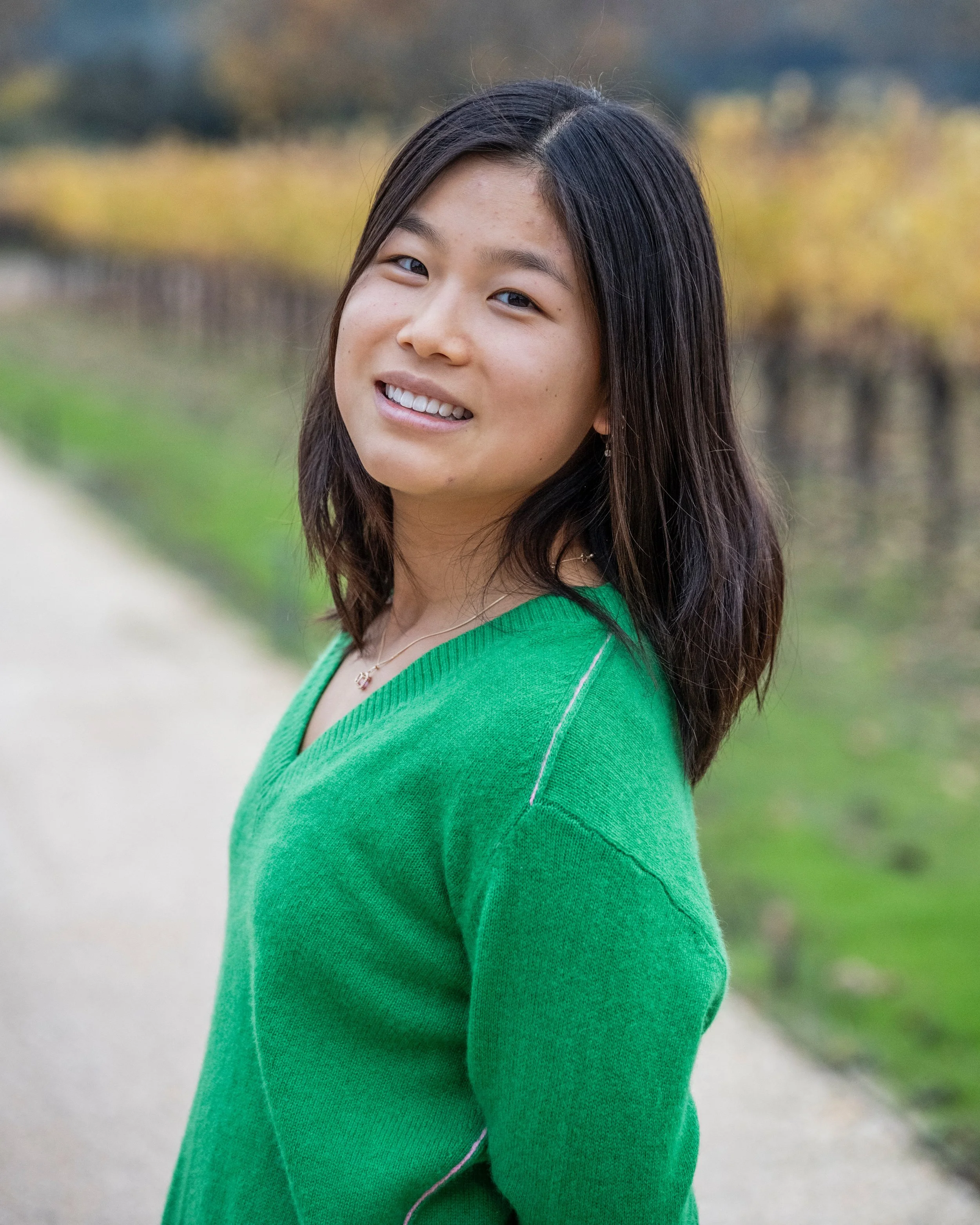
-
Katherine Miao is a sophomore from San Francisco, Calif. pursuing a B.A. in human biology and interested in minoring in human rights. She is particularly interested in the implications of AI on healthcare systems globally, as well as issues of AI and national security. She aligns with PIT’s mission of understanding how technologies can best serve populations who have been historically marginalized by these technologies or lacked access, as well as the challenges of that mission. In her free time, she enjoys playing tennis on the club team, spending time outdoors, and traveling.
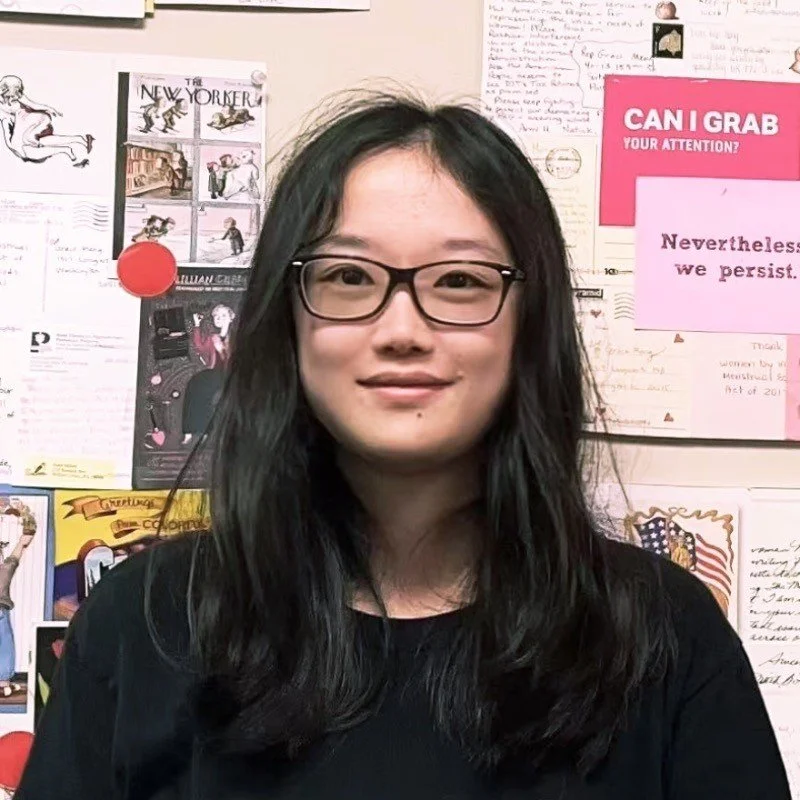
-
Sharon Feng is a graduate student in the history department at Stanford University. Her interest lies at the intersection of tech equity and gender equity, and she is particularly passionate about exploring how technology can be created or honed to empower gender and sexual minorities instead of creating harm. Sharon has extensive experience in public service and advocacy. She currently serves as the Head of the Advocacy & Impact Team of Asian Women Development Plan International’s U.S. National Office. Previously, she worked as a constituent liaison intern at Congresswoman Grace Meng’s district office in Flushing, NYC. She has also contributed to LGBTQ+ archival work with Hong Kong’s Association for the Advancement of Feminism and served as a volunteer lecturer at UNDP, where she designed curriculum for the “HER Digital Future Bootcamp” and taught Sustainable Development Goals and AI-related knowledge to rural Chinese girls. At Stanford, she is the Director of the Research & Policy team of the Public Interest Technology Lab. Outside of her academic and public service pursuits, Sharon enjoys watching films and traveling.
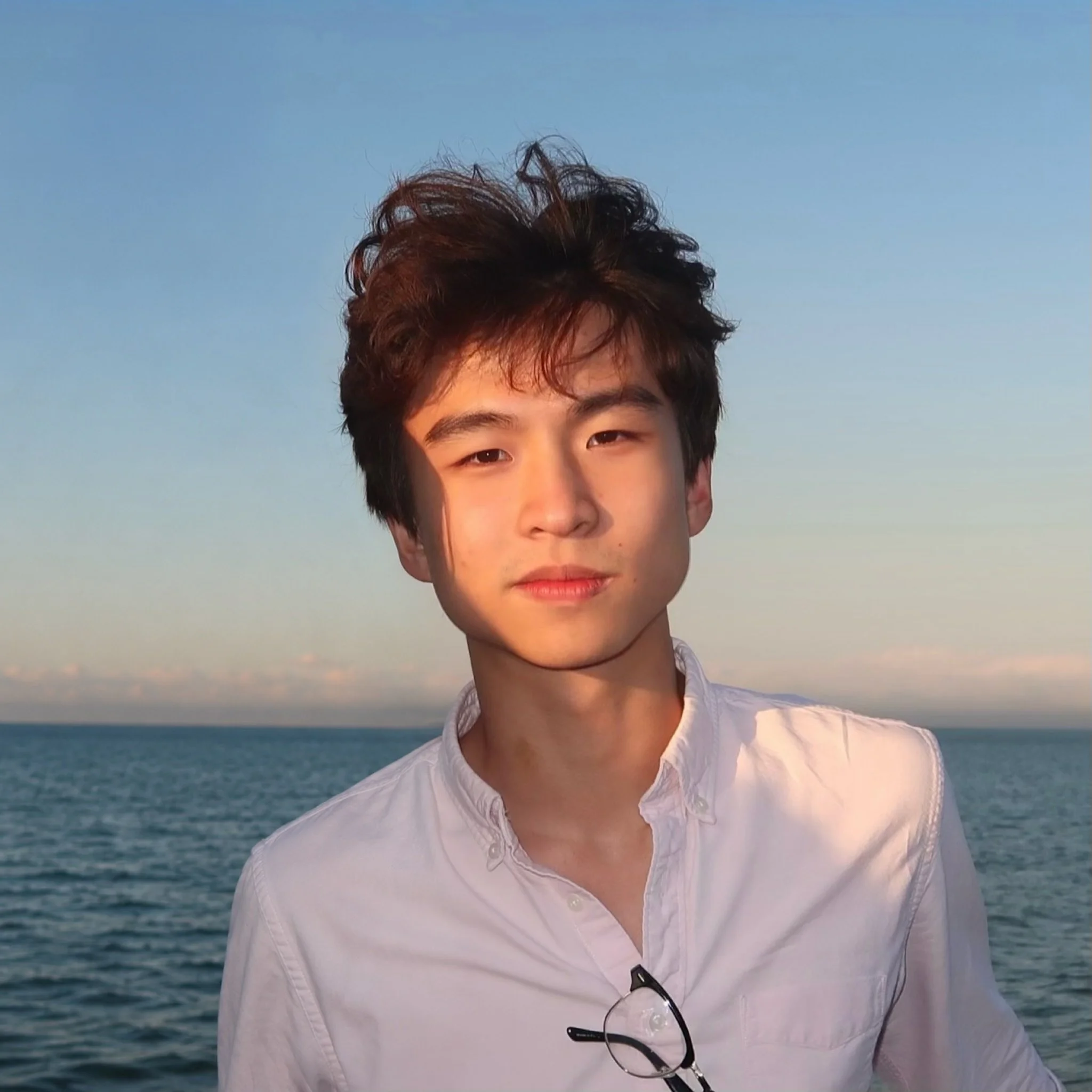
-
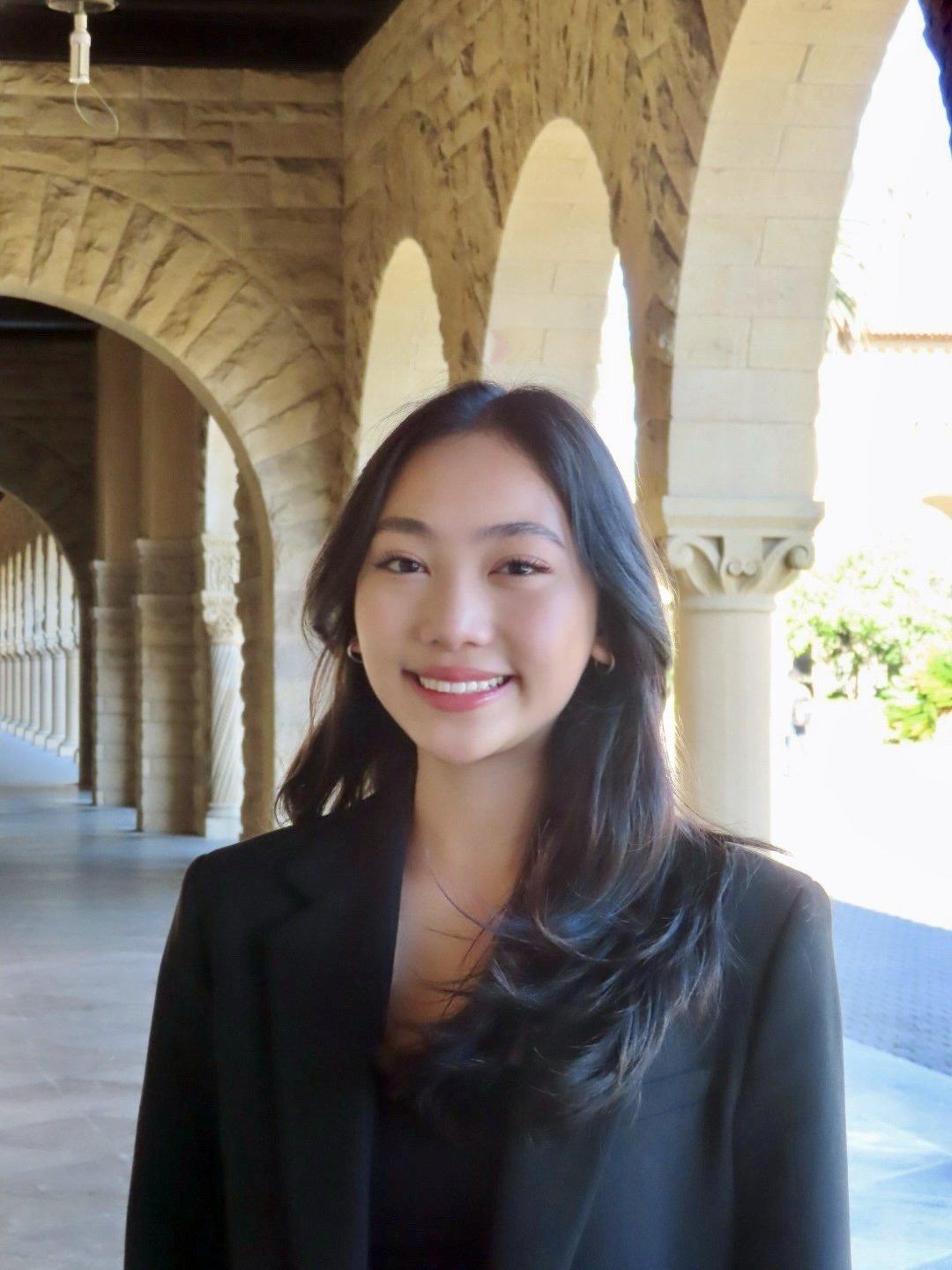
Jayden Song is a sophomore from Ann Arbor, Michigan, pursuing a bachelor’s degree in computer science and economics at Stanford. At PIT Lab, he hopes to examine the assumptions behind how technology’s benefits and harms are defined, and whose interests those definitions serve. Outside PIT Lab, Jayden is a research assistant at the Stanford Institute for Economic Policy Research. Before Stanford, much of his academic work was in chemistry. Since then, he has worked on political science research and pursued interests in political philosophy, theology, and markets. In his spare time, he enjoys exploring abandoned places around the Bay Area and back home in Michigan.
-
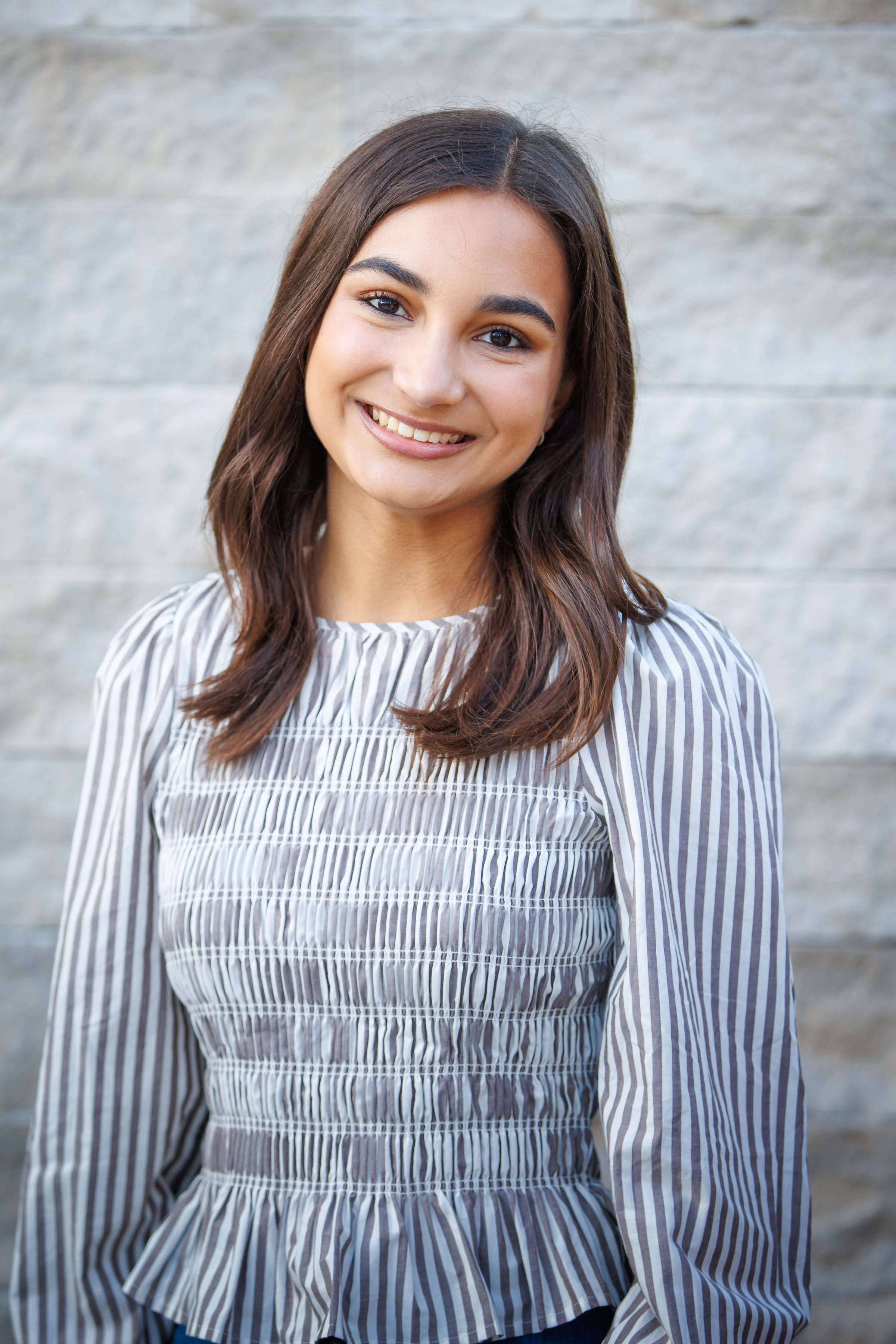
Zhihanna (Zhi) Liu is a sophomore from Elmhurst, Illinois (a suburb of Chicago). She is considering majoring in Mathematics and Philosophy. She is interested in exploring how policy can make AI and content moderation fairer and more transparent, especially for marginalized communities. Previously, she worked at Stanford HAI where she researched LLMs in content moderation, and at the McCoy Family Center for Ethics in Society, she conducted literature and legislative reviews on AI-generated music. This summer, she helped standardize nonprofit data across 90+ countries at WikiCharities. She is also an oral communication tutor at the Hume Center. In her spare time, Zhihanna plays violin in the Stanford Symphony Orchestra and scrapbooks.
-
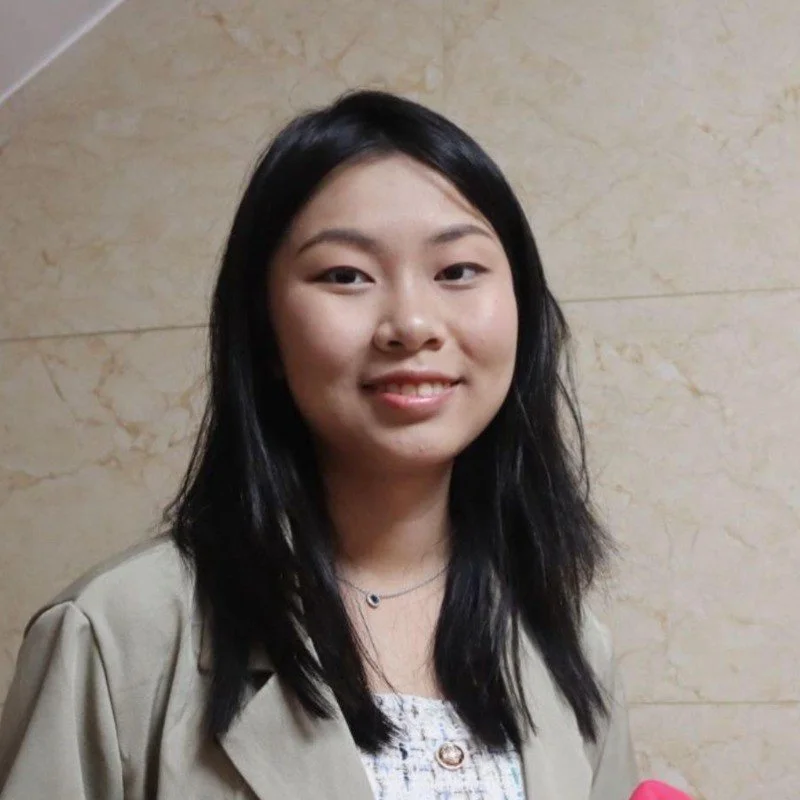
Sonia Dholakia is a sophomore studying Political Science and Economics. She wants to explore how technology and government interact, and how technology can make government more efficient and accessible. As a member of the Research & Policy team at the PIT Lab, Sonia hopes to study exactly that. Over the summer, Sonia worked at Legora, an AI company building tools for lawyers. In the past, she has worked at the Immigration Institute of the Bay Area and the California State Assembly. In her spare time, Sonia enjoys traveling with her family, doing pilates, and watching far too much television.
-
Alexis Li is a junior from Gilbert, Arizona, majoring in Computer Science. Her focus is on investigating dual use of AI in the life sciences, risk assessment of open-source models, and effective public outreach methods. She has conducted computational biology research in labs at Emory University, Stanford University, and St Jude Children’s Research Hospital on topics from classical drug discovery to neuropsychiatric diagnostics, publishing two first author works for the Pacific Symposium on Biocomputing and IEEE Big Data. As a PIT lab Co-Director in research and policy, she hopes to contribute to the larger conversation of responsible AI use and how scientists, policymakers, and the public can come together to make these decisions. Whenever she has time, Alexis enjoys making digital animations and learning how to produce music.
-
Christina Htay is a sophomore from Linwood, New Jersey, pursuing a major in Bioengineering. She is particularly interested in how emerging biomedical technologies can be governed to promote equitable healthcare access. As an undergraduate researcher in Stanford’s Bryant Lab, Christina studies the biophysics of CRISPR-Cas9 interactions through computational modeling. She also participates in ChemE Car’s Power R&D Team and serves as High School Outreach Chair for the Society of Women Engineers. She is also a HUME Center writing tutor and Dalai Lama Fellow, where she explores storytelling and social change. In her free time, she enjoys going to the beach and playing tennis.
Professional Development
-
Haley is currently pursuing a Bachelor’s in Computer Science expected to graduate in 2027. She was born and raised in Southern California, and has a variety of roles on campus. She currently serves as the Transfer Community Coordinator at the First Generation and/or Low-Income Student Success Center, creating workshops and socials for the current population on campus. Alongside this, she currently serves as a student assistant for the Technology Impact and Policy Center on-campus, where she is reviewing submissions and assisting with Stanford’s annual Trust and Safety Conference. With experience in software engineering and data analysis, she plans to use these skills to pursue a career in Trust and Safety space. Outside of class, you can find her taking trips to the beach, going to the gym and hiking.

Finance
-
Jana Alsolamy is a sophomore from Saudi Arabia planning to pursue a double major in Computer Science and Data Science & Social Systems. She is interested in how technology can better serve the people it affects, particularly in building AI systems that are both technically effective and responsive to people’s needs. This past summer, she worked with the Stanford King Center on Global Development on research related to economic development in the MENA region, exploring how data can inform our understanding of development. At the PIT Lab, she is part of the Finance Team, where she hopes to help make public interest technology sustainable and accessible. In her spare time, Jana loves trying new cuisines and is always looking for a restaurant she hasn’t been to yet.

Interns
-
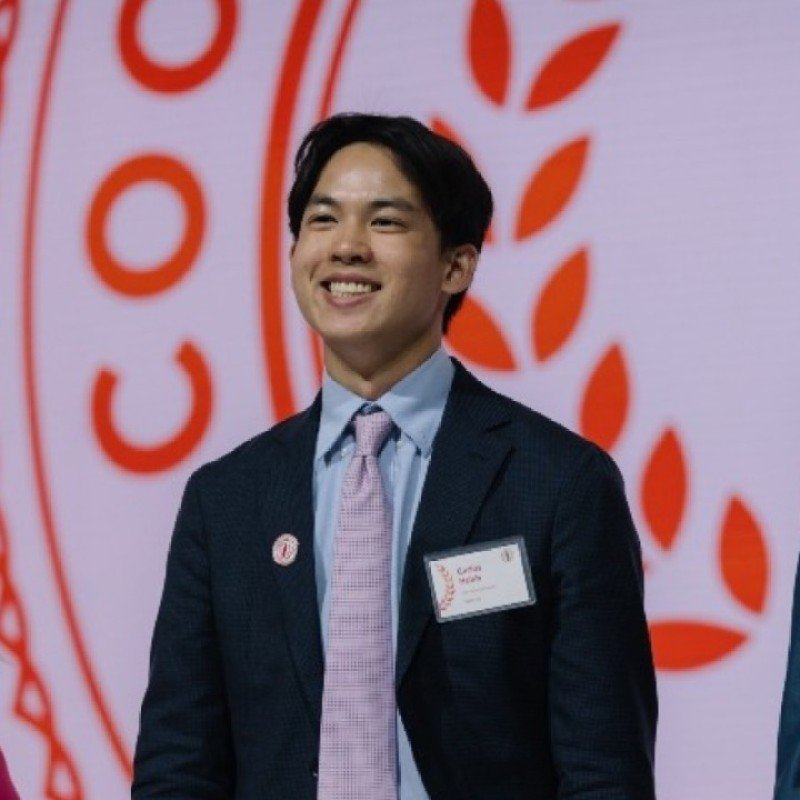
Istaara Amjad is a sophomore studying Economics. She is interested in using technology to help solve the world’s most urgent problems, as well as exploring the ways in which technology is shaping human society – for better or worse. In her free time, she enjoys music, reading, and playing badminton.
-
Carlos Hsieh is a freshman pursuing a B.A. in Data Science & Social Systems and minoring in Human Rights. He is interested in immigration, surveillance, and AI governance. He is conducting research on ICE surveillance systems and freedom of speech. This summer he is researching sustainable transportation at Transportation for America. In his free time he rows for Stanford Dragon Boat, tries new foods, and cooks.
-
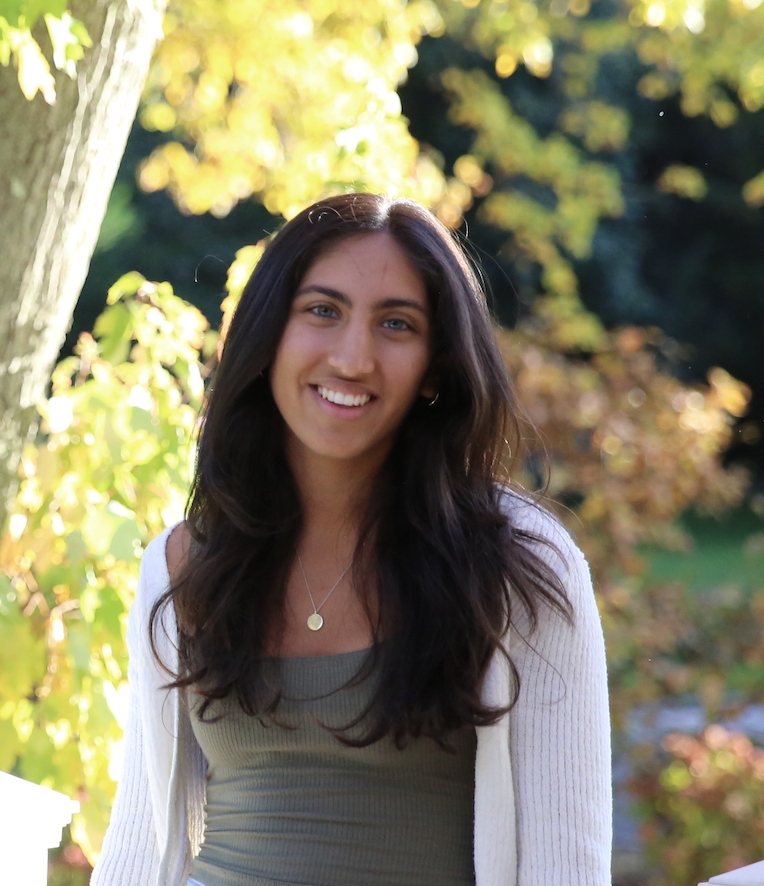
Naina Mehrotra is a freshman interested in studying Biology and Classics. She is interested in the potential of AI to improve healthcare systems, especially through applications in medical records management and drug discovery. On campus, she is a research assistant for the Stanford Project on Adaptation and Resilience in Kids and a beat reporter for the Stanford Daily. In her free time, she enjoys puzzles, long walks, and spending time with friends and family.
-
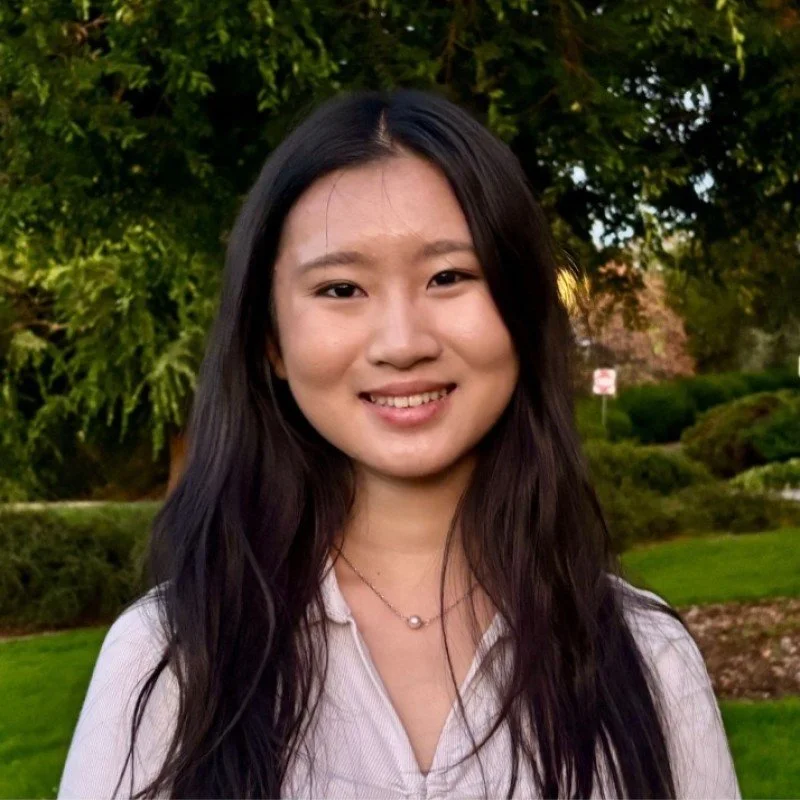
Grace Liang is a sophomore pursuing a B.A. in English Literature and minoring in Digital Humanities. She is interested in exploring the intersection of technology with law, creative industries, and human rights. She is involved with Stanford Debate Society, Stanford SupplyHer, and several campus publications, including Caesura Journal, where she is currently Editor-in-Chief. This past summer, she worked as a curatorial intern at the Cantor Arts Center and a research assistant in the English department. In her free time, Grace enjoys reading, creating art in many mediums, and karaoke.
-
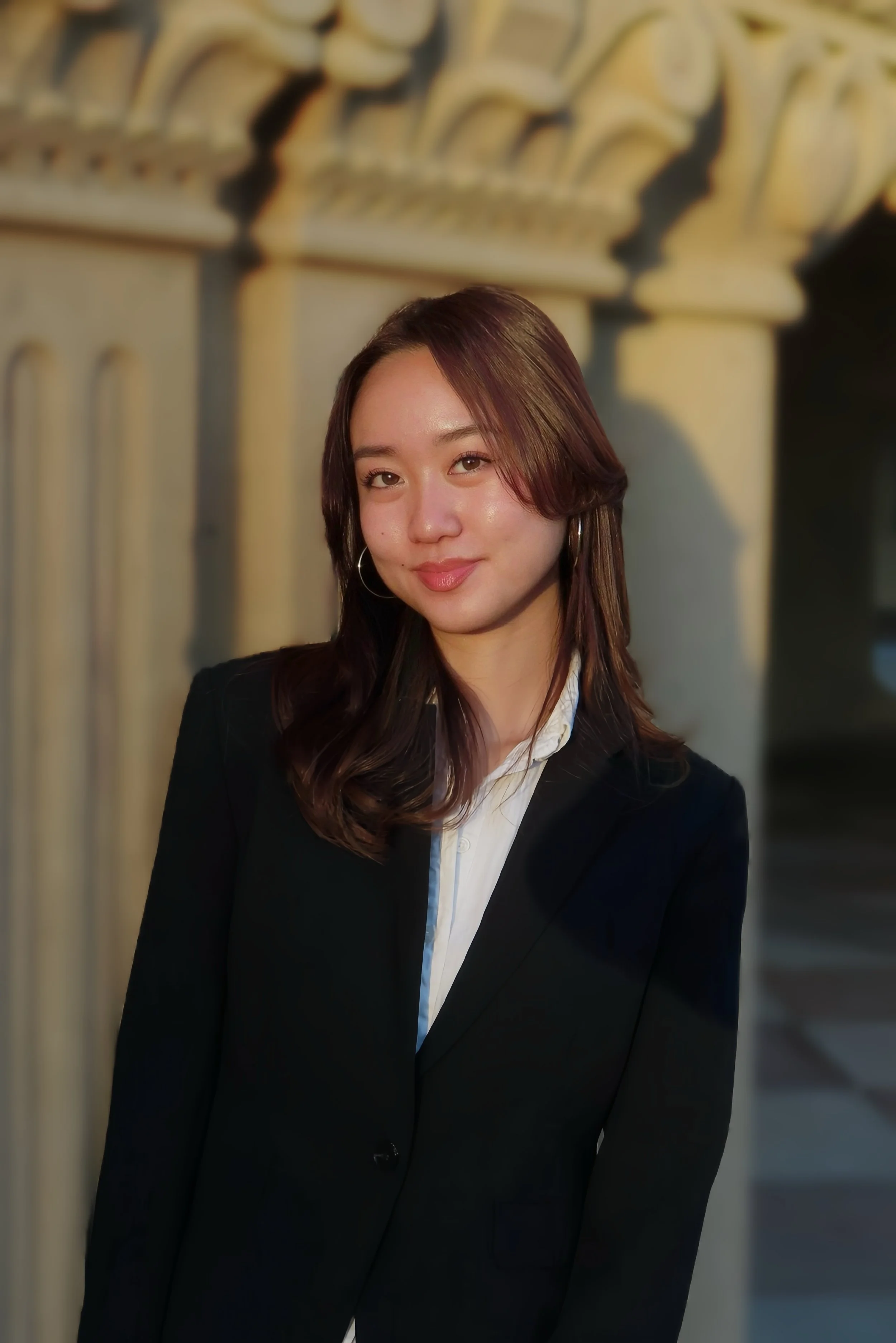
Anya Phan is a sophomore pursuing a bachelor’s Economics and minoring in English. She is interested in the intersection of technological advancement, economic development, and AI governance to study how policies can foster ethical business growth. Previously, she has contributed to on-campus research across Stanford’s MS&E department, GSB, and Hoover, learning about AI agents and stablecoin tracking. In her free time, she enjoys reading fantasy novels, trying new foods, and learning new yoga poses.
-
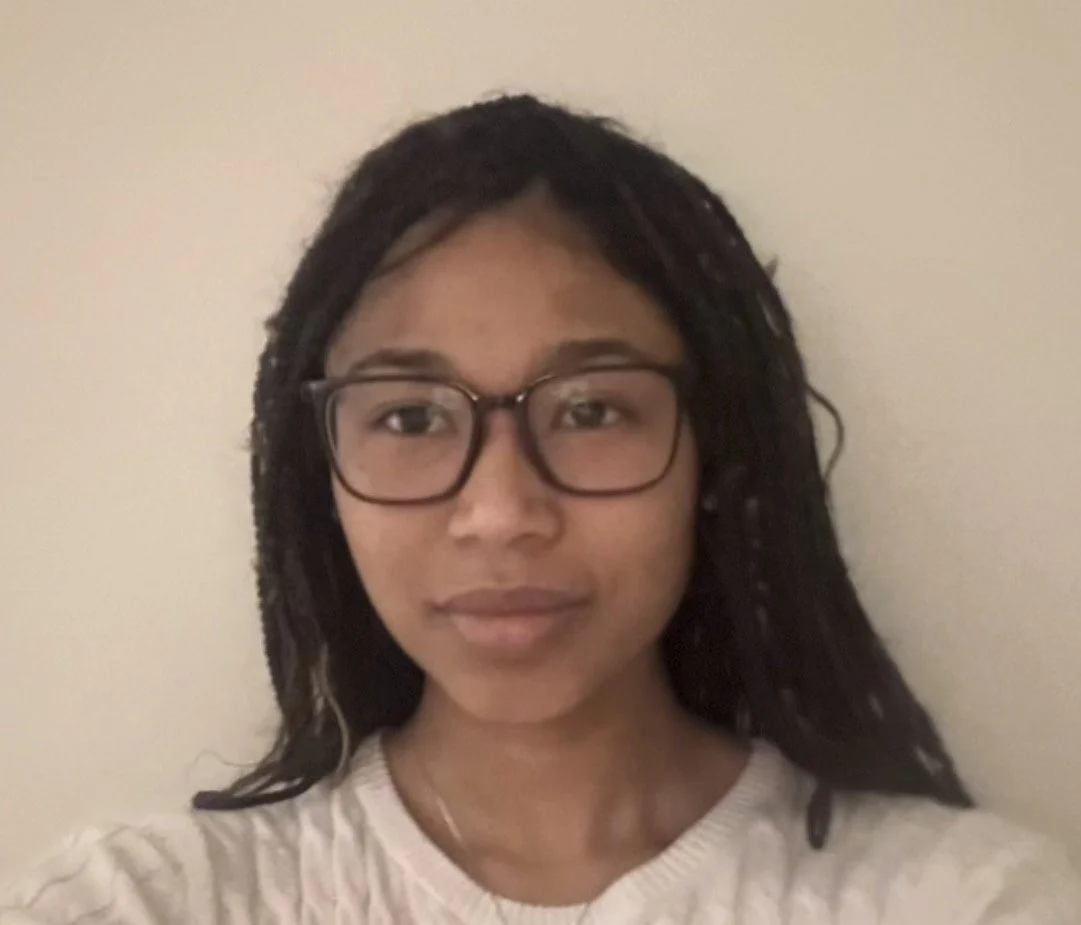
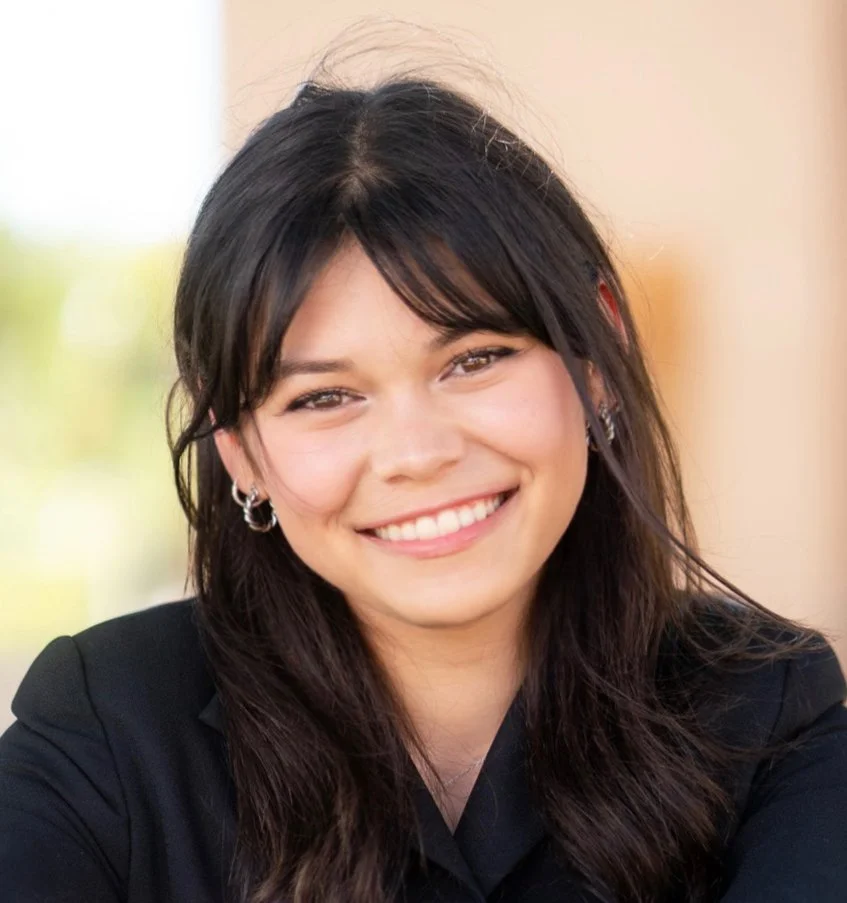
Jyel Hollingsworth is a sophomore pursuing a bachelor’s in Electrical Engineering. She’s interested in the intersection between technology, education, and equity. Her passion for PIT issues comes from her commitment to expanding access to equal opportunity and using technology to help bridge systemic gaps in access and representation. This past summer, she worked at Patreon as a software engineer. In her free time, she enjoys playing board games (especially chess) and watching TV.
-
Joelle Cheeseman is a freshman interested in electrical engineering and symbolic systems. She is passionate about expanding the breadth of research related to assistive and educational technology tools to increase accessibility and effectiveness of education for neurodivergent students, women, and other underrepresented groups. Joelle was previously a youth research mentor at NeuroEd, a program partnered with the Stanford Neurodiversity Project, leading high school and community college students conducting research on the effects of AI and technology tools in education for neurodivergent students. She also interned in Carnegie Mellon University’s Software and Societal Systems department assisting doctoral research on social media misinformation interventions. In her free time, Joelle loves teaching kids and learning about rocks and fossils!
-
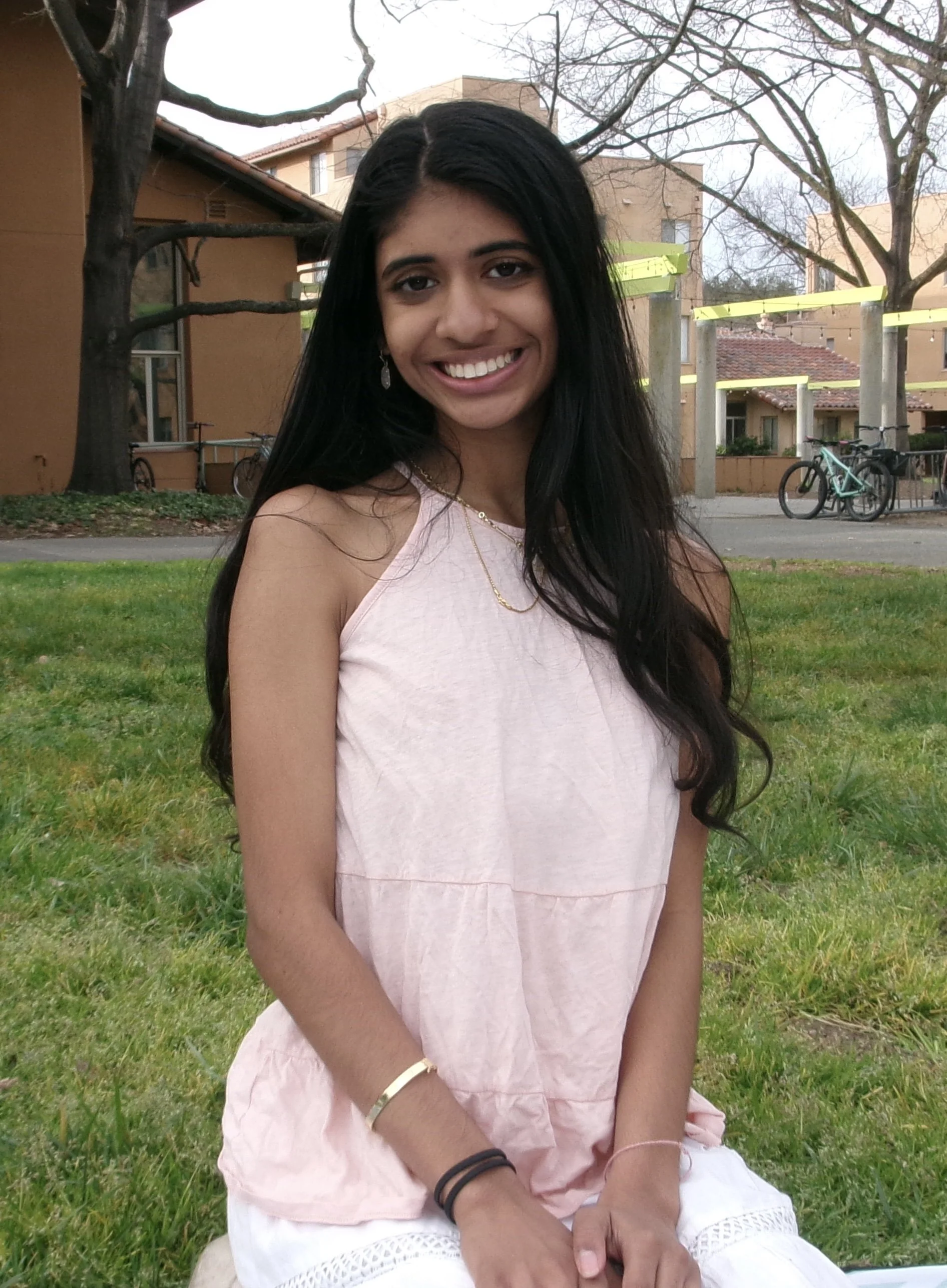
Vaishnavi Kumbala is a freshman majoring in Computer Science. She is interested in societal implications of AI and the intersection of AI and mental health. She is interested in exploring how emerging technologies can be developed responsibly. In her free time, she enjoys visiting coffee shops, talking with friends and family, and travelling.
-
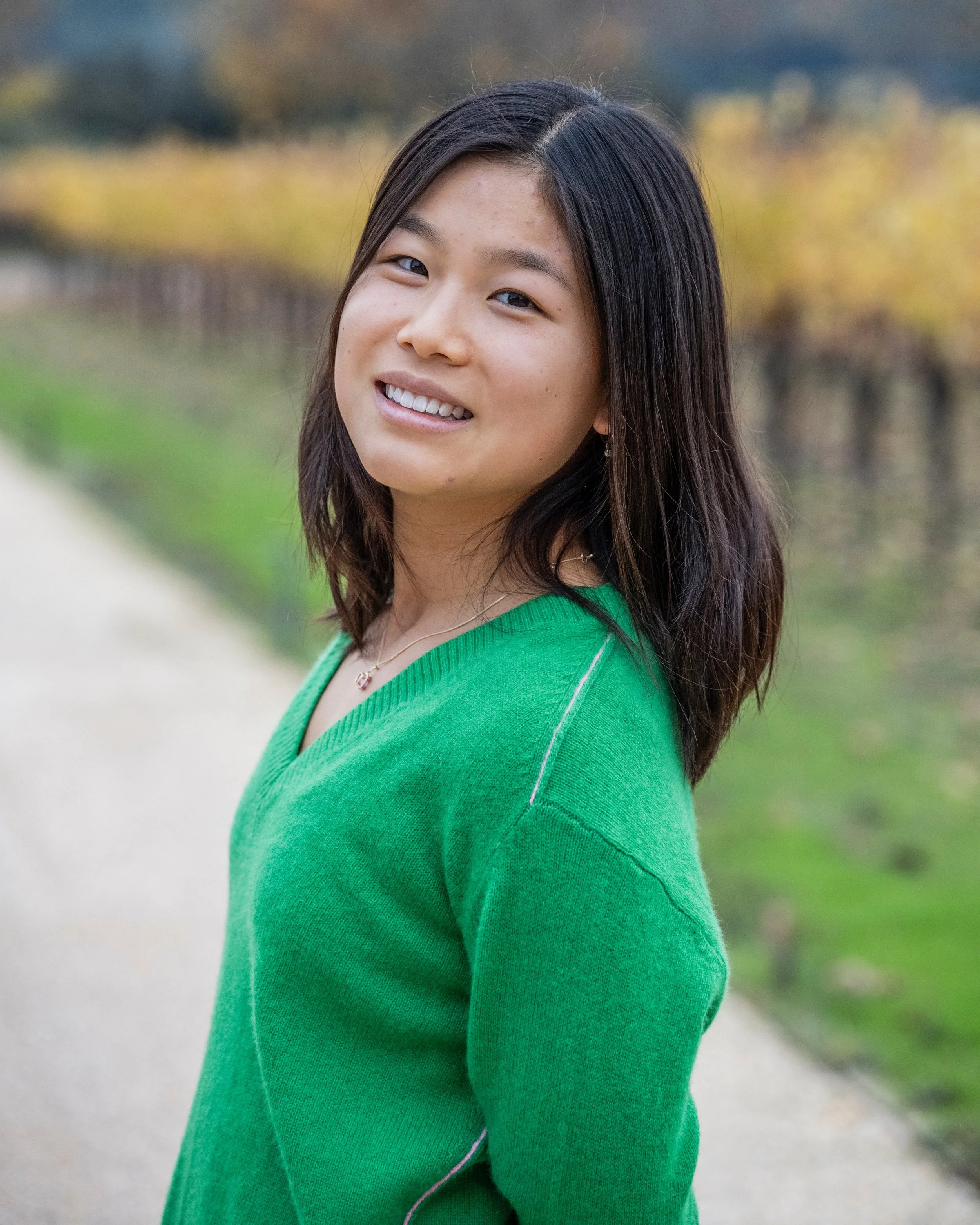
Katherine Miao is a freshman pursuing a B.A. in human biology and interested in minoring in human rights. She is particularly interested in the implications of AI on healthcare systems globally, as well as issues of AI and national security. She aligns with PIT’s mission of understanding how technologies can best serve populations who have been historically marginalized by these technologies or lacked access, as well as the challenges of that mission. In her free time, she enjoys playing tennis on the club team, spending time outdoors, and traveling.
-
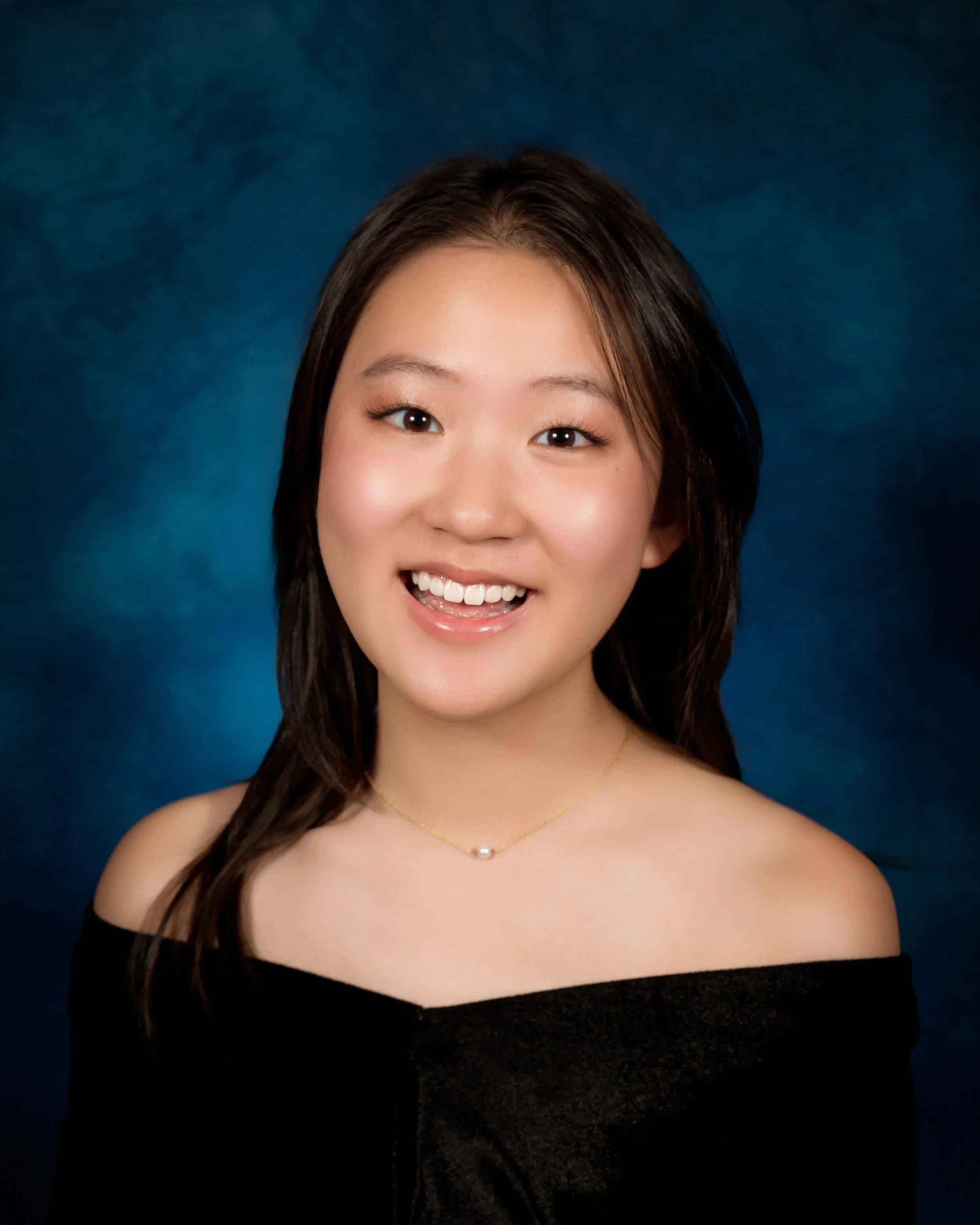
Ailene Ni is a freshman pursuing a B.A. in Economics and considering a minor in Psychology. She is interested in the intersection of artificial intelligence, law, and public policy, particularly how emerging technologies can either reinforce or reduce systemic inequities in areas such as criminal justice, healthcare, and access to legal resources. On campus, she is involved with the Stanford Pre-Law Society and the Human Rights Trauma Mental Health Program and has explored public interest law through research and service initiatives. Her background includes experience in mock trial, legal advocacy, and community-centered service work, which continue to shape her interest in restorative justice and ethical technology governance. In her free time, Ailene enjoys reading, listening to music, and spending time with friends.
-
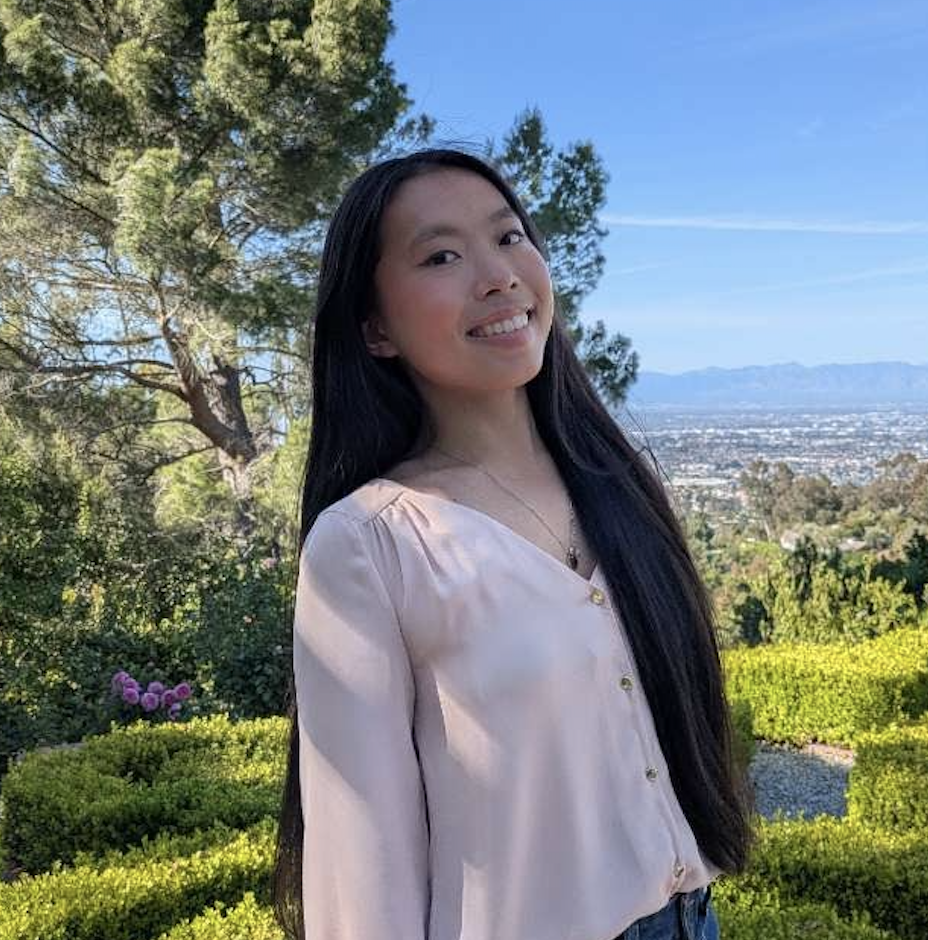
Allison Yu is a freshman interested in studying Data Science or Computer Science. She is particularly interested in how technology can possibly save, or ruin, our planet, as well as the applications and accessibility of environmental technologies. At Stanford, Allison enjoys dancing and performing in musicals with Ram’s Head. She also loves going to the beach, trying different cookies, and taking long walks while listening to Daft Punk.
-
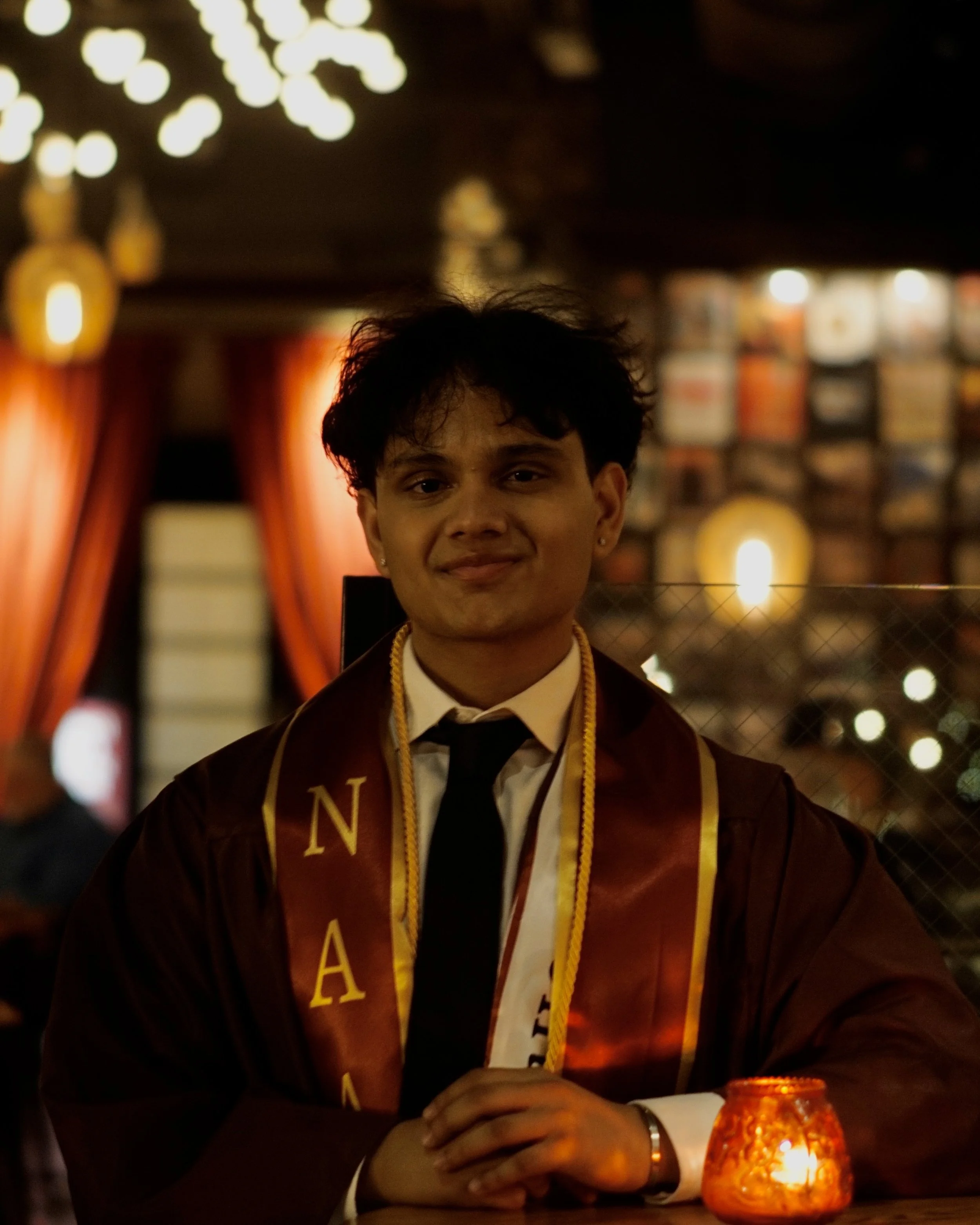
Kazi Eshrar is a freshman pursuing a bachelors in Computer Science. At PIT Lab, he is interested in the implications of technology and its increasing role in national security and surveillance systems. Having done research into the role of Artificial Intelligence in education for neurodiverse students, he is interested in the question of who technology is designed to serve and how it can be done effectively and ethically. In his free time, he enjoys cooking and photography.
-
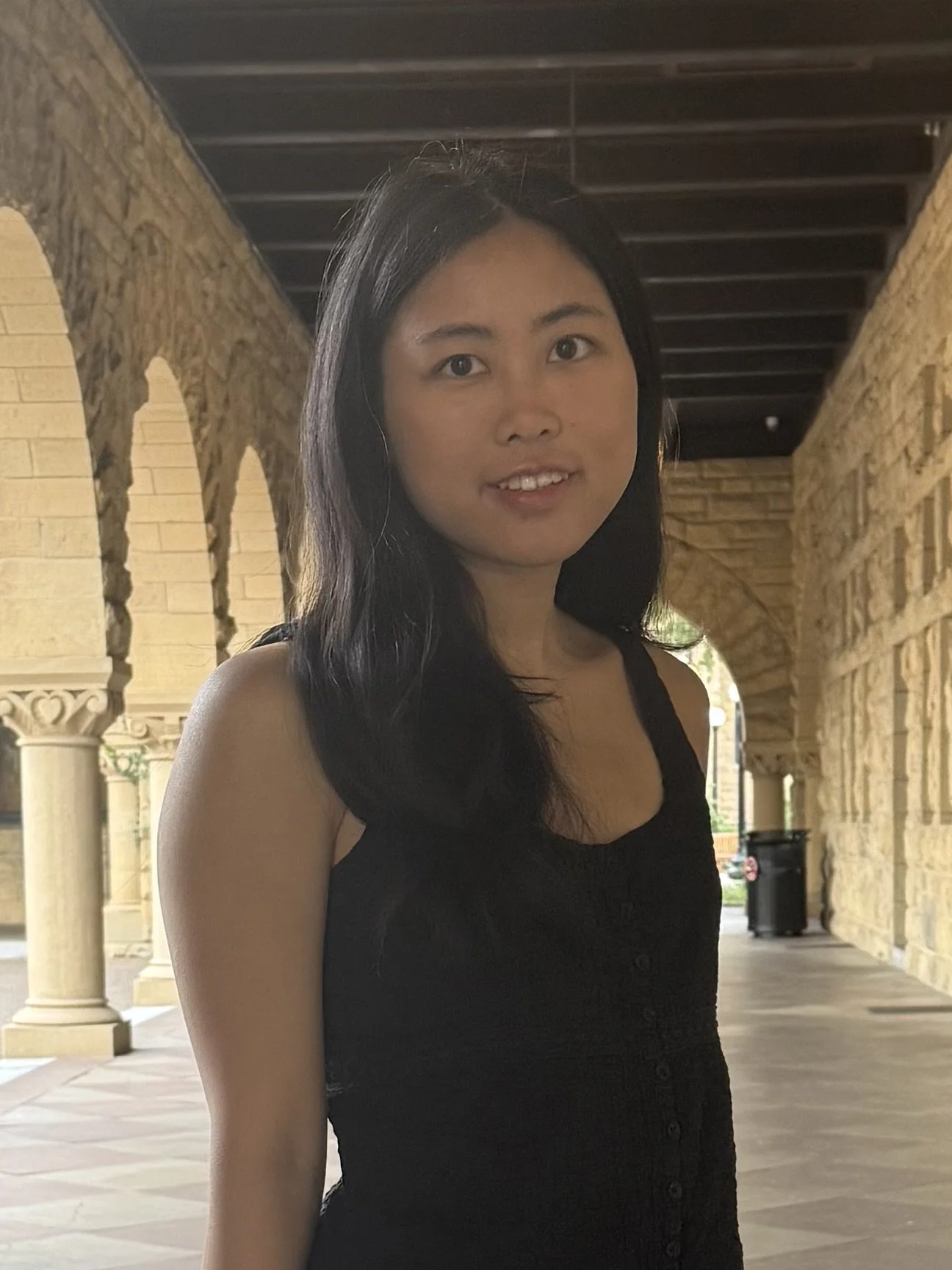
Jasmine Lo is a sophomore studying engineering. She is interested in the intersection between technology and sustainability. On campus, she’s involved on the teaching team for ENGR 103: Public Speaking and with Sustainable Stanford as a Sustainable Community Intern. In her free time, she enjoys baking banana bread, cafe-hopping, and exploring new places. She’s super excited to get involved with PIT this year!
-
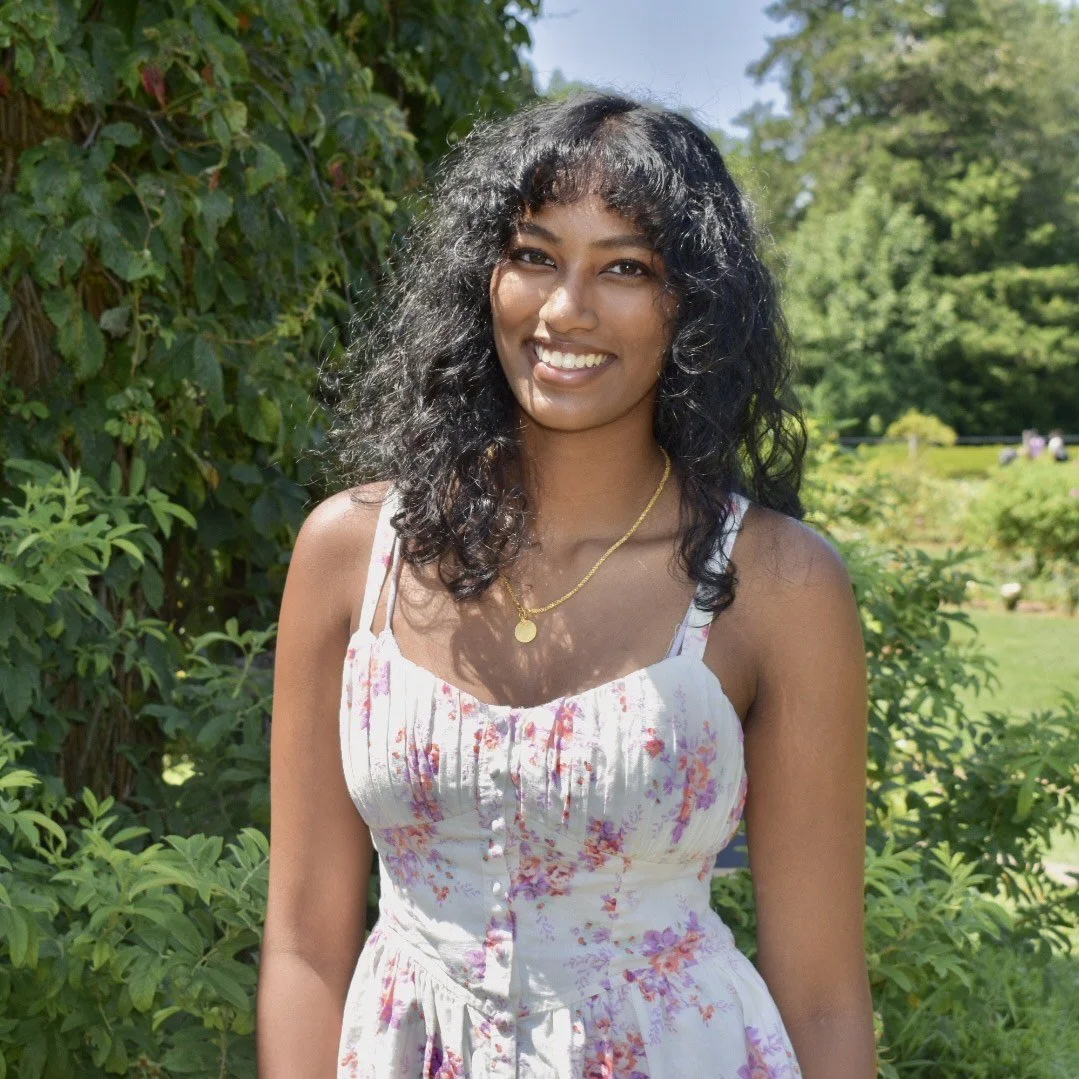
Snigtha Mohanraj is a freshman interested in studying economics and symbolic systems. She is particularly passionate about the education system and its technology gaps. She hopes to work on redesigning opportunities to bridge accessibility to quality education through effectively utilizing technology. Snigtha is currently a member of the Stanford Sustainable Investment Group, Stanford Women in Politics, and Asian American Student Association. Her background includes work in sustainable water filtration design, educational mentorship, and grassroots climate activism. Snigtha has been recognized as a Rise Global Scholar, US Senate Youth Program Delegate, and Chegg.org Global Student Prize Finalist. In her free time, she loves to play chess, explore new restaurants, and go on walks with friends.
-
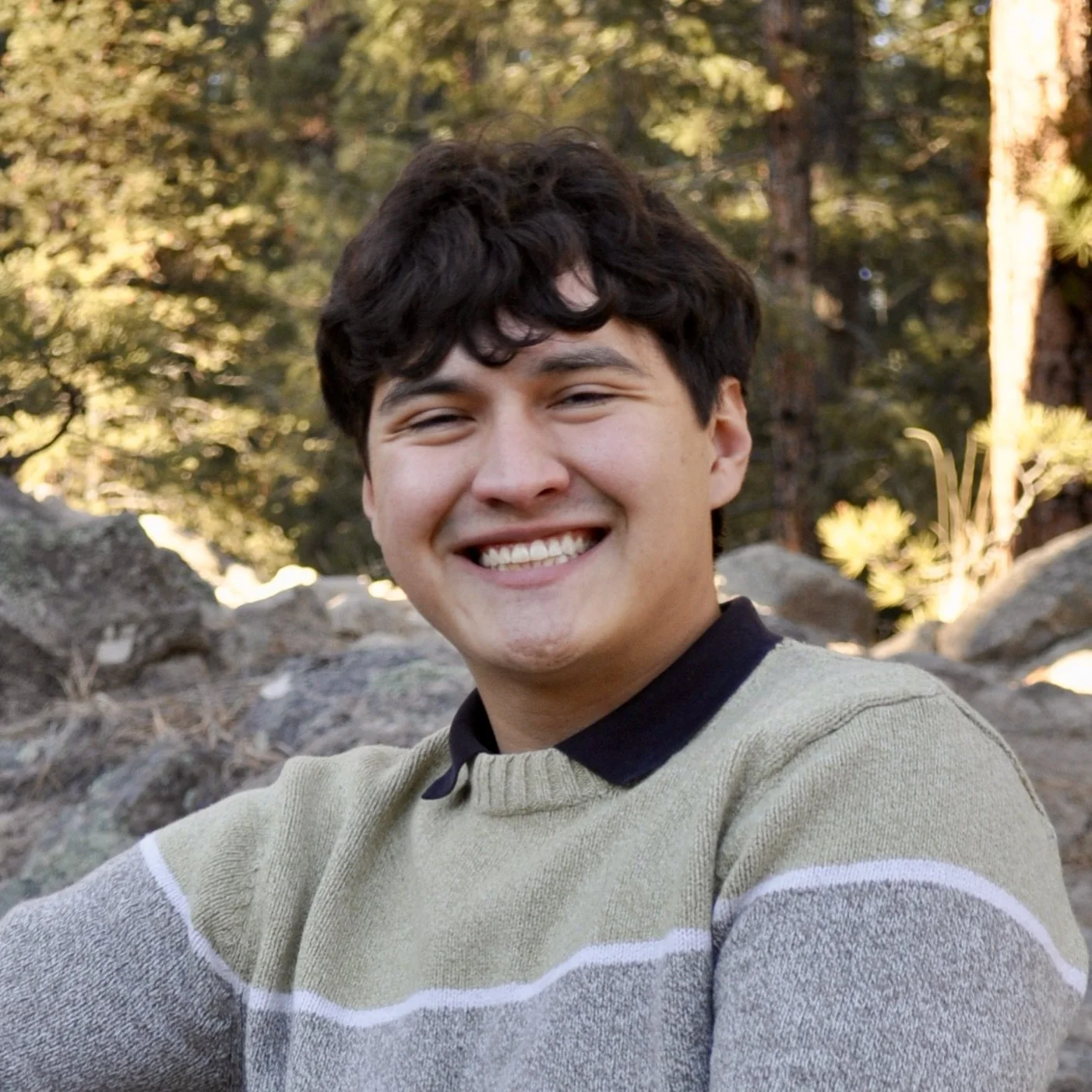
Alan Padilla is a Freshman pursuing both a B.S. in Sustainable Architecture & Engineering and a B.A. in International Relations. He aligns with PIT Ideals due to his interest in the intersection of technology, policy, and accessibility, having a firsthand understanding of the challenges through his Latino, Indigenous, and rural upbringings. He is really interested in traveling and learning different languages.
-
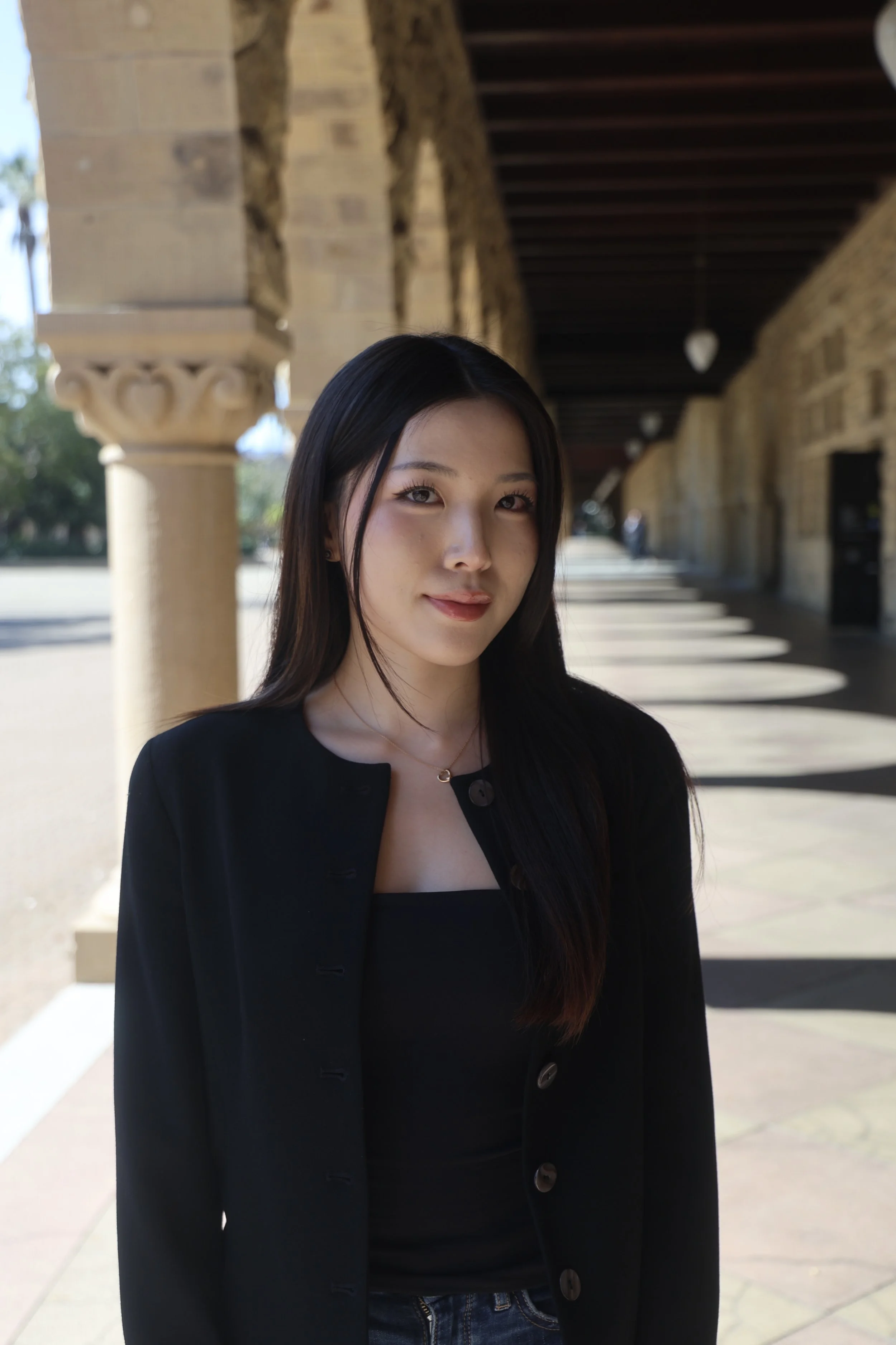
Alena Zhang is a sophomore pursuing a B.A. in International Relations and a B.S. in Mathematics. She is interested in the intersection of national security and emerging technologies, focusing particularly on the implications of AI innovation for governance and defense. She conducts research on national security-related issues through her internship at PIT. In her spare time, Alena enjoys studying foreign languages, listening to news podcasts, exploring cafes, and traveling.